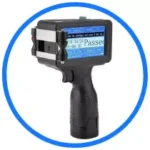

Continuous Inkjet vs Thermal Inkjet Batch Coding Machines: Which One Is Right for Your Packaging Line?

A food manufacturer printing over 5,000 pouches daily initially had no issues with product coding. However, after a few months, print quality started to decline. Some expiry dates became difficult to read, ink consumption increased, and maintenance interruptions affected production efficiency.
This led to a common question faced by many manufacturers:
Should I choose a Continuous Inkjet (CIJ) printer or a Thermal Inkjet (TIJ) printer?
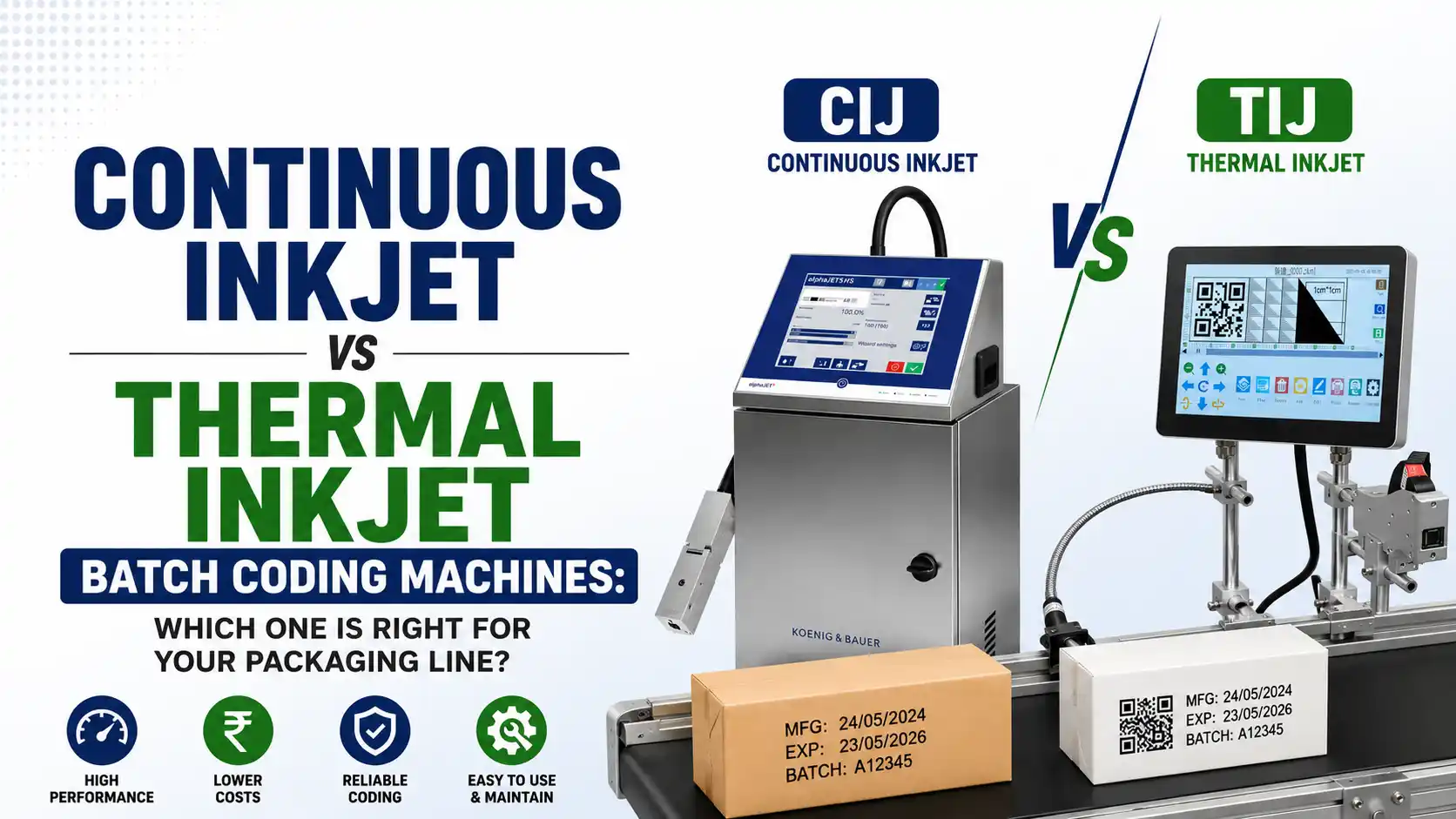
The Continuous Inkjet vs Thermal Inkjet debate is one of the most important considerations when selecting a batch coding solution. The right choice depends on your production speed, packaging material, print quality requirements, and operating budget.
Both technologies are widely used for printing batch numbers, manufacturing dates, expiry dates, barcodes, and QR codes on packaging. However, they differ significantly in print quality, maintenance needs, operating costs, and overall performance.
For food, pharmaceutical, cosmetic, chemical, and FMCG manufacturers, choosing the right batch coding machine can improve productivity, reduce downtime, and ensure compliance with labeling regulations.
In this guide, we compare Continuous Inkjet vs Thermal Inkjet printers to help you determine which coding technology is best suited for your packaging line.
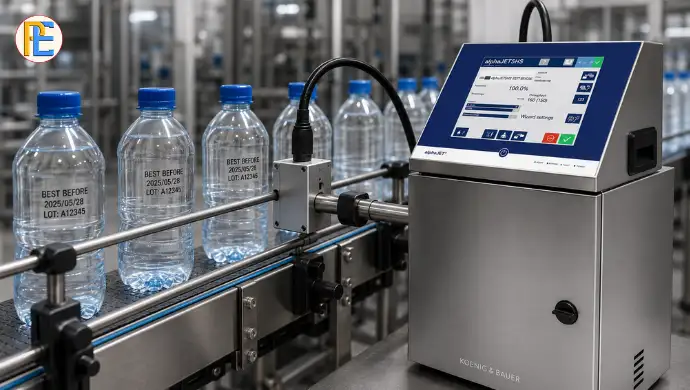
Why Batch Coding Matters in Manufacturing
Batch coding is not just about printing a date on a package. It helps manufacturers track products, maintain quality standards, and comply with legal regulations.
Indian manufacturers must follow various packaging and labeling regulations.
Legal Requirements in India
These include:
- Legal Metrology (Packaged Commodities) Rules
- FSSAI labeling requirements for food products
- Manufacturing date printing
- Expiry date printing
- Batch number printing
- MRP printing
- Product traceability requirements
Without proper coding, businesses can face regulatory issues and product recalls.
Risks of Poor Batch Coding
Poor coding can create serious problems.
Some common risks include:
- Product recalls
- Regulatory penalties
- Customer complaints
- Loss of brand trust
- Difficulty tracking defective products
A reliable batch coding machine helps avoid these issues while maintaining smooth production.
Understanding Continuous Inkjet (CIJ) Technology
Continuous Inkjet printing is one of the most widely used coding technologies in manufacturing.
How Continuous Inkjet Printing Works
A CIJ printer creates a continuous stream of tiny ink droplets.
The machine directs selected droplets onto the product surface to create the required code.
Key features include:
- Non-contact printing
- High-speed operation
- Continuous coding
- Ability to print on moving products
This technology works well even when products move quickly on a conveyor.
Common Applications of CIJ Machines
Continuous Inkjet printers are commonly used for:
- Plastic bottles
- Glass bottles
- Beverage cans
- Sachets
- Flexible pouches
- Corrugated cartons
- Cables
- Pipes
Because CIJ can print on many surfaces, it is popular in high-speed manufacturing environments.
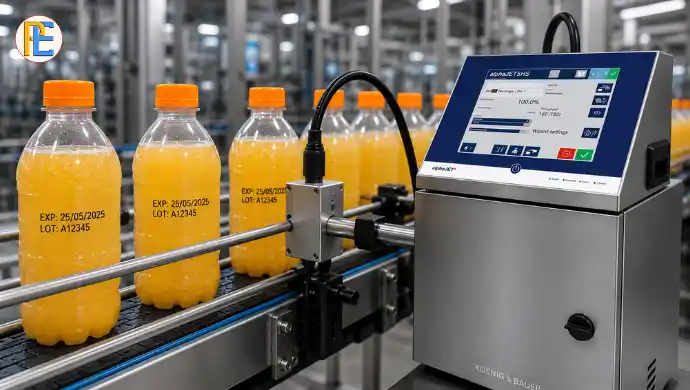
Understanding Thermal Inkjet (TIJ) Technology
Thermal Inkjet printing is known for its clean operation and high print quality.
How Thermal Inkjet Printing Works
TIJ printers use heat to create tiny ink droplets.
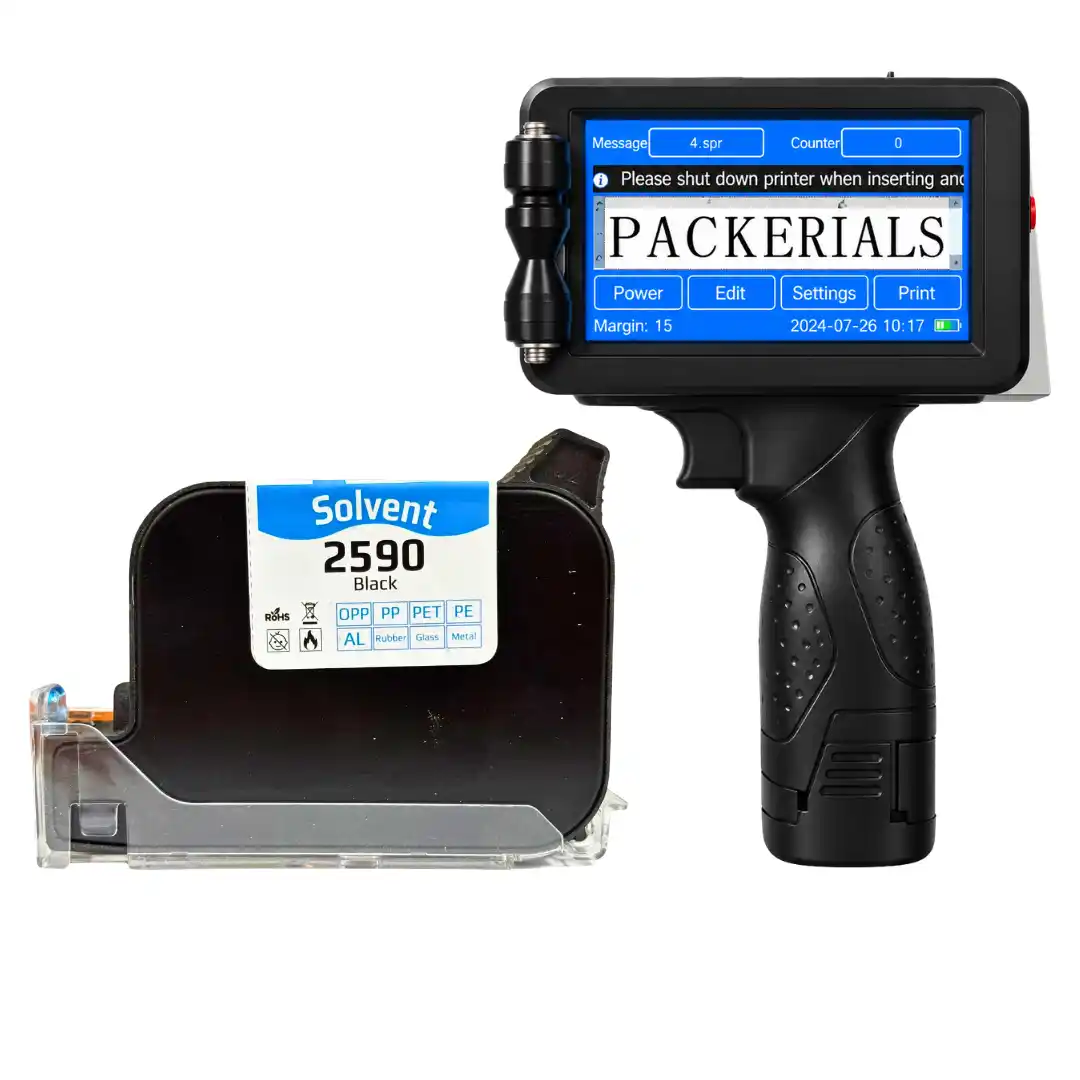
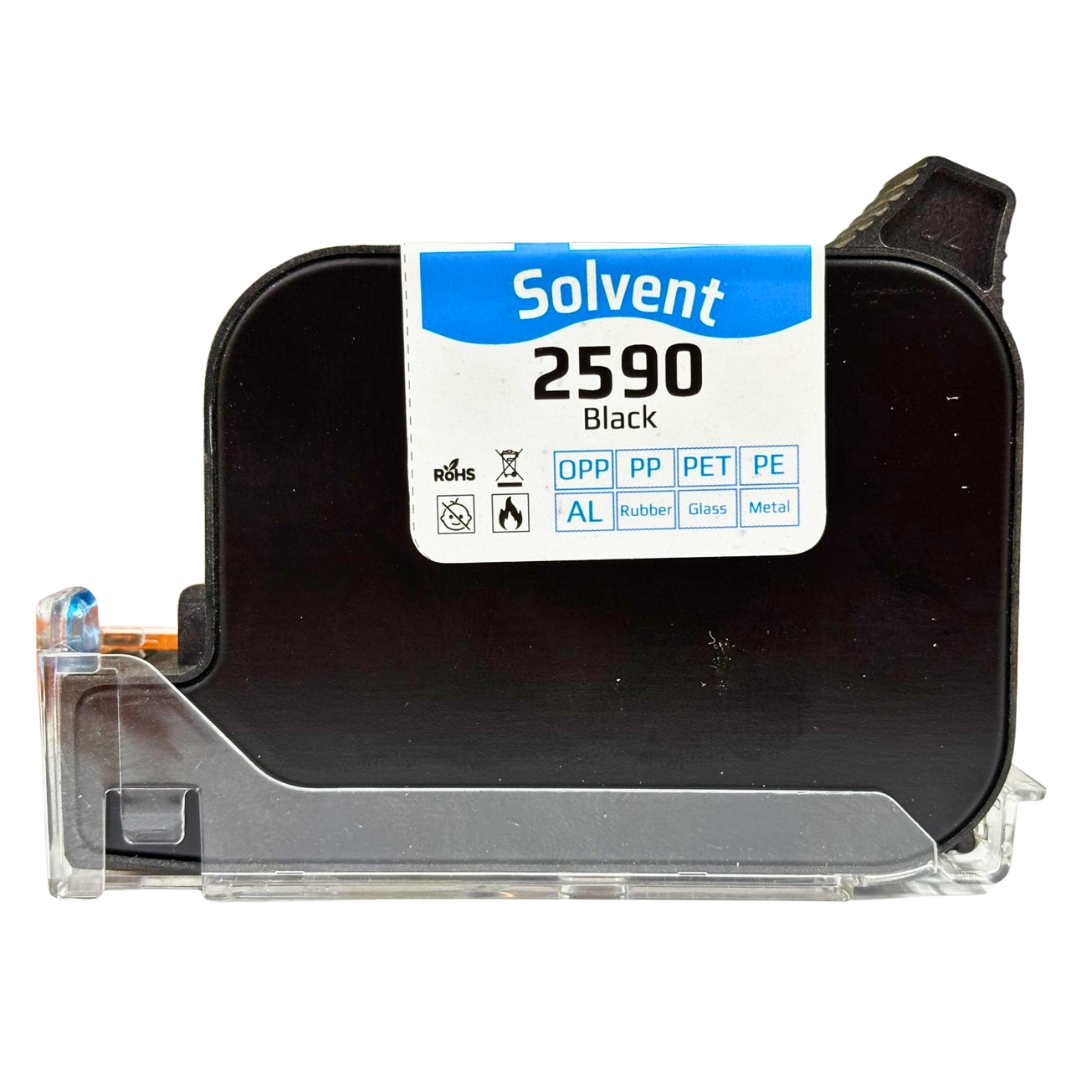
The ink is stored inside a cartridge, which ejects droplets directly onto the packaging surface.
Key benefits include:
- Sharp printing
- High-resolution output
- Easy operation
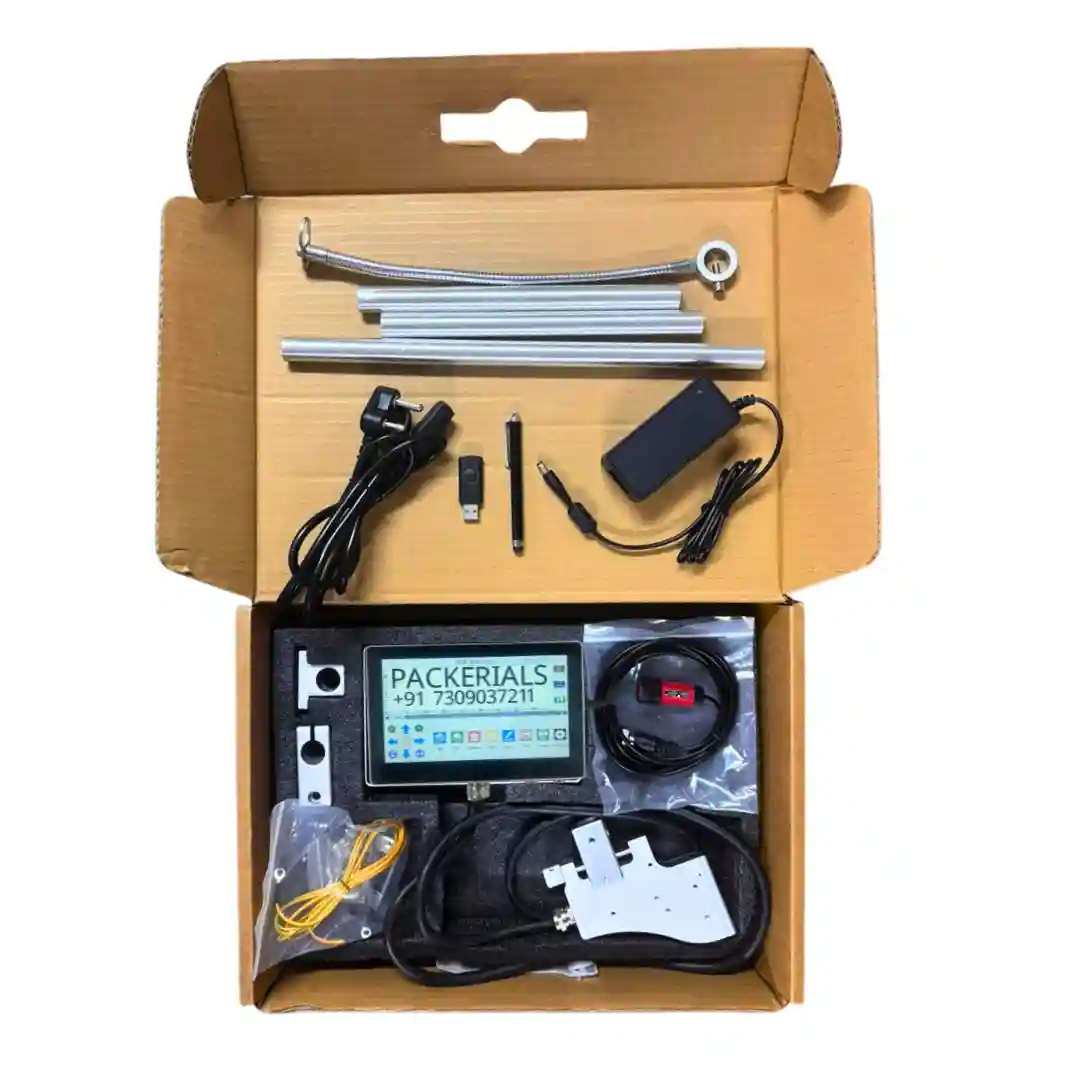
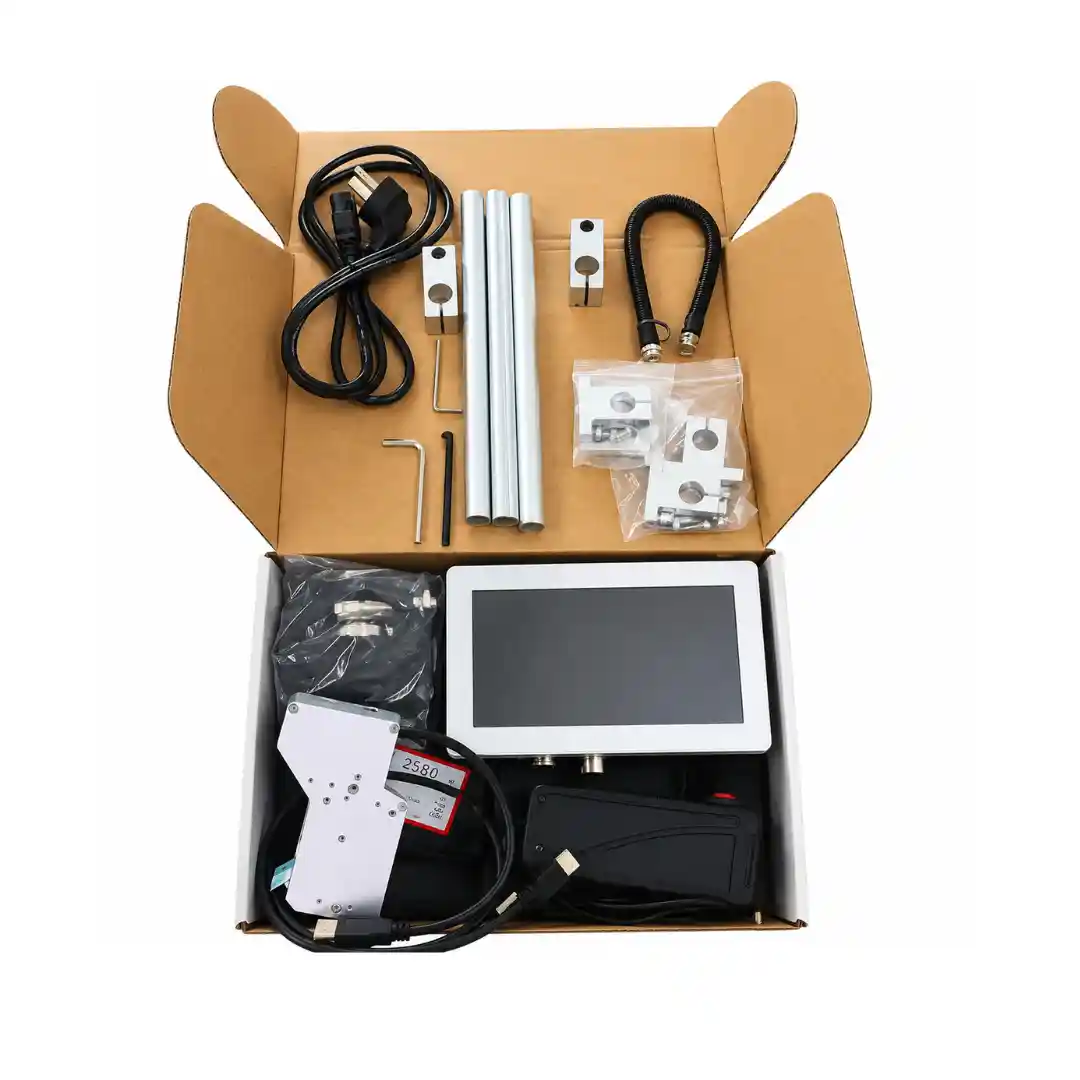
- Cartridge-based system
The technology is simple and requires minimal maintenance.
Common Applications of TIJ Machines
Thermal Inkjet printers are often used for:
- Cartons
- Labels
- Corrugated boxes
- Pharmaceutical packaging
- Food packaging
- Shipping cartons
Businesses that need clear text and barcodes often choose TIJ technology.
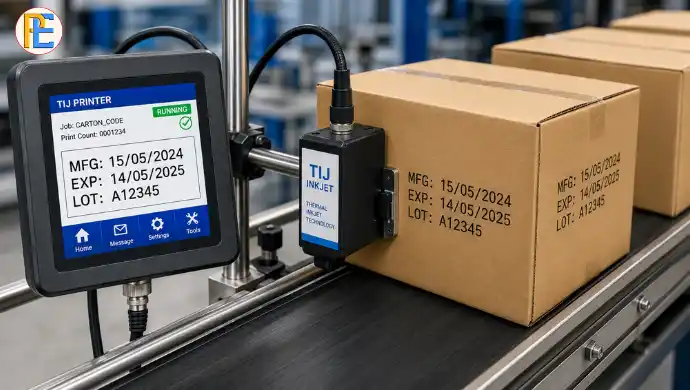
Continuous Inkjet vs Thermal Inkjet: Quick Comparison
| Feature | Continuous Inkjet (CIJ) | Thermal Inkjet (TIJ) |
| Print Quality | Good | Very High |
| Printing Speed | Very High | High |
| Maintenance | Higher | Lower |
| Initial Cost | Higher | Lower |
| Running Cost | Moderate | Depends on cartridge usage |
| Multiple Surface Printing | Excellent | Limited |
| Barcode Printing | Good | Excellent |
| Small Character Printing | Excellent | Excellent |
Print Quality Comparison
Print quality often becomes the deciding factor when selecting a coding machine.
Continuous Inkjet Advantages & Limitations
Advantages:
- Performs well on fast production lines
- Suitable for date coding and batch coding
- Reliable on various packaging materials
Limitations:
- Lower print resolution compared to TIJ
Thermal Inkjet Advantages & Limitations
Advantages:
- Very sharp text
- High-quality logos
- Excellent barcode printing
- Better readability
Limitations:
- Requires cartridge replacement
For businesses that print QR codes and detailed barcodes, TIJ often delivers better results.
Add image here: Side-by-side print quality comparison of CIJ and TIJ codes
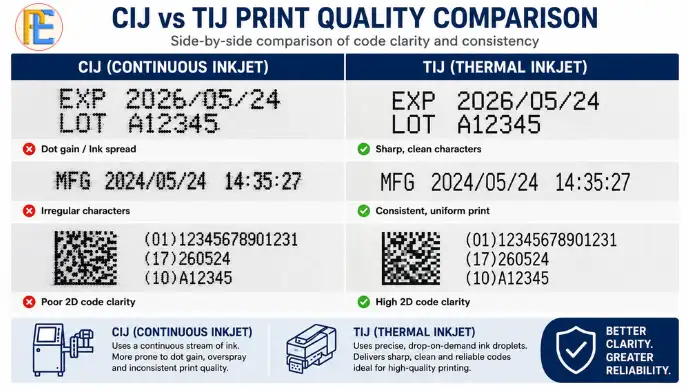
Speed Comparison
Production speed plays an important role when choosing a coding solution.
When Production Speed Is High
CIJ printers are commonly used in:
- Beverage plants
- Dairy factories
- Edible oil packaging units
- FMCG production lines
They can print consistently even when products move at very high speeds.
When Moderate Speed Is Enough
TIJ printers are ideal for:
- Carton coding
- Label printing
- Pharmaceutical packaging
- Secondary packaging operations
For moderate production volumes, TIJ offers excellent performance.
Maintenance Comparison Continuous Inkjet vs Thermal Inkjet
Maintenance costs can affect long-term profitability.
Continuous Inkjet Maintenance
CIJ printers require:
- Ink circulation management
- Filter replacement
- Regular cleaning
- Solvent handling
Routine maintenance is important to maintain print quality.
Thermal Inkjet Maintenance
TIJ printers generally require:
- Cartridge replacement
- Basic cleaning
- Minimal servicing
The simple design reduces downtime.
Which Is Easier?
For most manufacturers, Thermal Inkjet printers are easier to maintain because there are fewer moving parts and no complex ink circulation systems.
Printing Surface Comparison
Not all packaging materials behave the same.
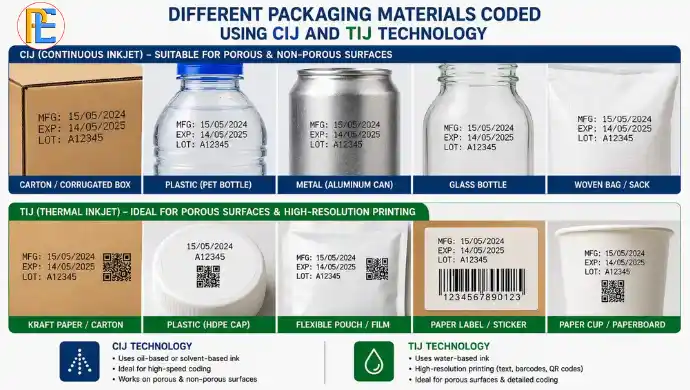
Continuous Inkjet Can Print On
- Plastic
- Glass
- Metal
- Flexible films
- Curved surfaces
- Laminated pouches
This versatility makes CIJ suitable for many industries.
Thermal Inkjet Works Best On
- Cartons
- Labels
- Paper packaging
- Corrugated boxes
Surface quality often affects TIJ performance.
Cost Comparison
Cost should always be evaluated over the entire life of the machine.
Initial Investment
CIJ printers generally require a higher initial investment.
TIJ systems usually have a lower entry cost.
Running Cost Factors
Important cost factors include:
- Ink consumption
- Solvent usage
- Cartridge replacement
- Maintenance expenses
- Production downtime
Example Cost Scenario Continuous Inkjet vs Thermal Inkjet
Consider a manufacturer coding 10,000 packs every day.
| Expense Area | CIJ | TIJ |
| Initial Investment | Higher | Lower |
| Consumables | Moderate | Moderate |
| Maintenance | Higher | Lower |
| Downtime Cost | Moderate | Low |
For high-volume production, CIJ may become more economical over time.
For lower production volumes, TIJ often provides better value.
Which Industries Prefer Continuous Inkjet Machines?
Food and Beverage Industry
Applications include:
- Water bottles
- Juice bottles
- Milk pouches
- Soft drinks
Chemical Industry
Applications include:
- Lubricant containers
- Chemical bottles
- Industrial packaging
FMCG Manufacturing
CIJ is widely used where production lines run continuously throughout the day.
Which Industries Prefer Thermal Inkjet Machines?
Pharmaceutical Industry
Common applications:
- Cartons
- Labels
- Blister packaging
Food Packaging Industry
Used for:
- Secondary packaging
- Corrugated boxes
- Shipping cartons
E-Commerce Industry
Suitable for:
- Logistics labels
- Shipping boxes
- Warehouse coding
Pros and Cons of Continuous Inkjet Machines
Advantages
- High-speed printing
- Suitable for multiple surfaces
- Reliable in demanding environments
- Continuous operation capability
Disadvantages
- Higher maintenance requirements
- Solvent consumption
- More operator training needed
Pros and Cons of Thermal Inkjet Machines
Advantages
- Excellent print quality
- Easy operation
- Low maintenance
- Compact design
Disadvantages
- Cartridge replacement costs
- Limited compatibility with some difficult surfaces
How to Choose the Right Technology
Every factory has different requirements.
Choose Continuous Inkjet If:
- Production speed is very high.
- Products move continuously.
- Multiple packaging materials are used.
- Bottles and pouches require direct coding.
- Production runs for long hours every day.
Choose Thermal Inkjet If:
- Print quality is the top priority.
- Barcodes and QR codes must be highly readable.
- Cartons and labels are the main packaging format.
- Maintenance resources are limited.
- Production volumes are moderate.
Related Topics You May Also Read
- Complete Guide to Batch Coding Machines
- How to Print Batch Number, MRP, and Expiry Date on Packaging
- Continuous Inkjet Printer Buying Guide
- Thermal Inkjet Printer for Packaging Industry
- FSSAI Labeling Requirements for Food Manufacturers
Making the Right Investment
Both Continuous Inkjet and Thermal Inkjet batch coding machines offer strong advantages. The best choice depends on your production volume, packaging material, coding requirements, and budget.
Manufacturers running high-speed production lines often benefit from Continuous Inkjet technology because of its versatility and speed. Businesses focused on high-resolution printing, barcodes, and cartons may find Thermal Inkjet technology more suitable.
Before investing, evaluate your production goals, packaging materials, and long-term operating costs. A well-chosen batch coding machine can improve compliance, reduce downtime, and support consistent product quality for years to come.
Related Posts
5 Best 12.7mm Solvent-Based Thermal Inkjet Printer Cartridges
-
Posted by
 Aniket