
Blog
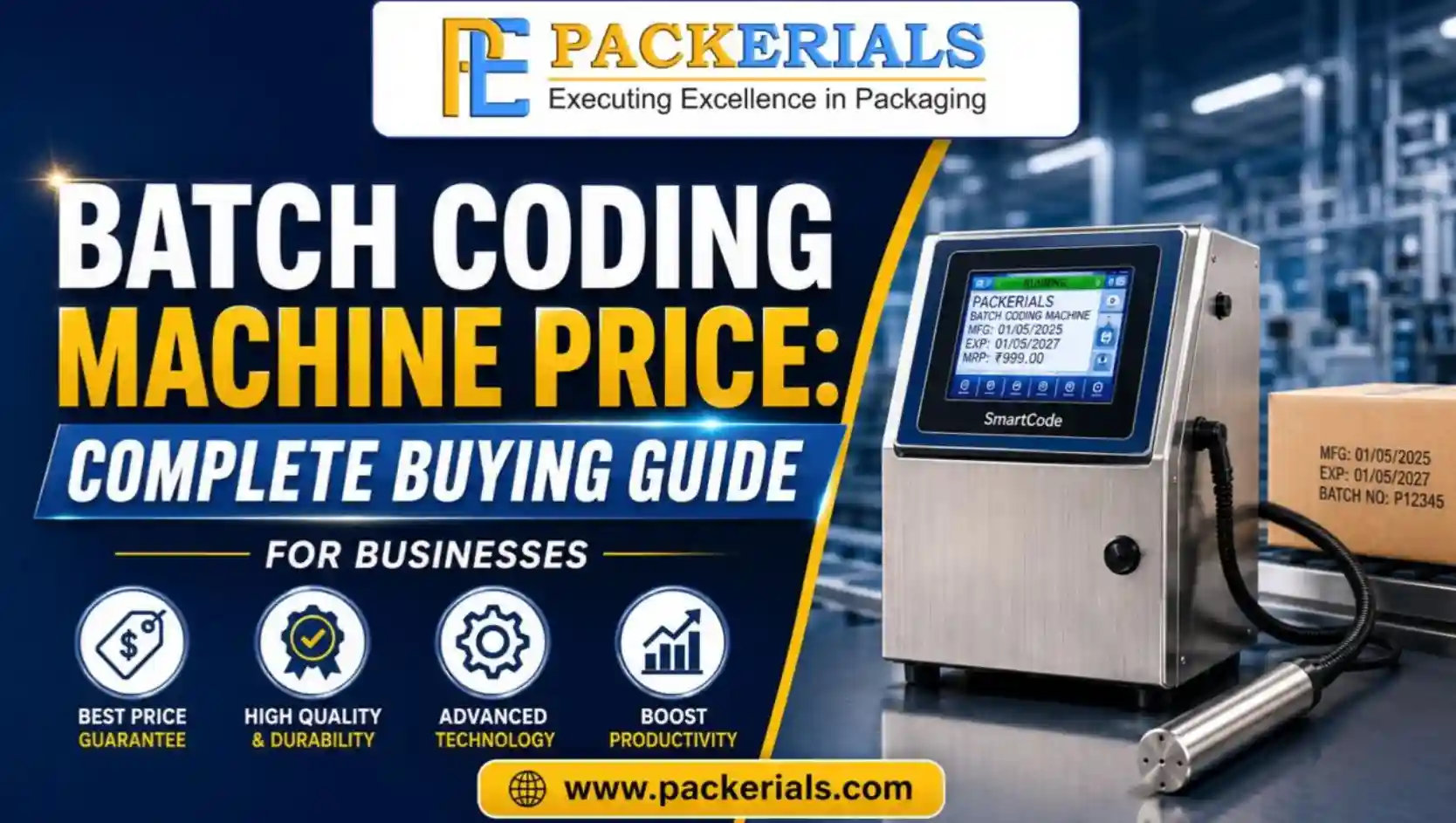
Batch Coding Machine Price: Complete Buying Guide for Businesses

A food manufacturer can spend hours packing products and still face one small problem at the end of the line. The batch number, MRP, or expiry date may be missing or unclear.
Manual stamping often causes this problem. Workers need to change dates, handle stamps, and check every pack. A small mistake can affect an entire production batch.
This is where a batch coding machine helps. It can print batch numbers, manufacturing dates, expiry dates, MRP, barcodes, QR codes, and other product details directly on packaging.
The right machine depends on your production speed, packaging material, print requirements, and budget. This guide explains the batch coding machine cost, available technologies, running expenses, and the factors businesses should check before buying.
Batch Coding Machine Price in India
The batch coding printer price changes sharply based on printing technology and automation.
In 2026 entry-level handheld coding machines from about ₹8,500, while online thermal inkjet printers start around ₹21,000. Industrial continuous inkjet printers listed on the same range can reach around ₹2.2 lakh. These prices give businesses a useful starting point, but the final cost depends on the model, cartridge or ink system, print height, conveyor, installation, and other requirements.
| Machine type | Typical price range | Best suited for |
|---|---|---|
| Handheld coder | ₹8,500+ | Small production |
| Thermal inkjet | ₹21,000+ | Pouches, cartons, labels |
| Industrial CIJ | ₹2 lakh+ | High-speed production |
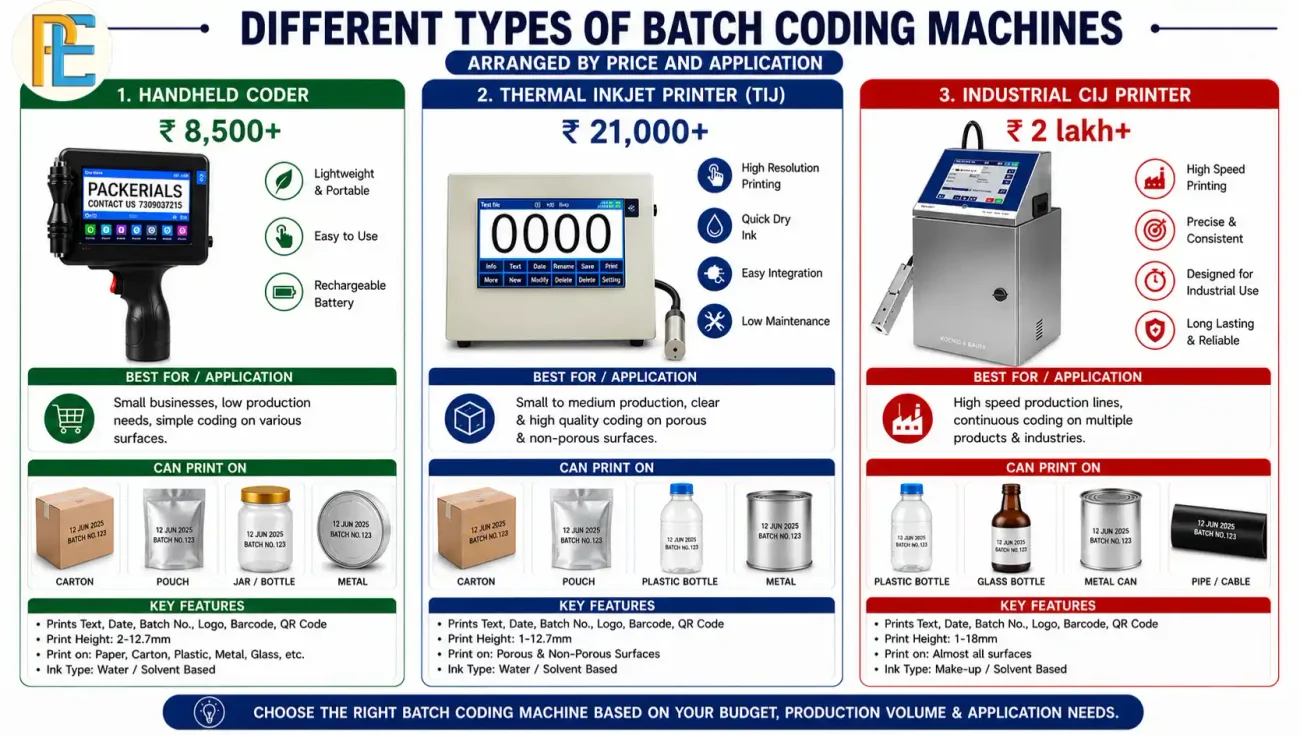
Do not select a machine only because it has the lowest purchase price. A cheaper printer may have higher cartridge, ribbon, maintenance, or labour costs.
What Affects Batch Coding Machine Cost?
Several factors affect the final batch coding machine cost.
1. Printing Technology
Technology has the biggest effect on price.
A thermal batch coding printer works well for many cartons, labels, and flexible packaging applications. A continuous inkjet printer suits fast production lines and can print on moving products.
A laser batch coding machine uses a laser beam to mark the surface. It does not need ink or ribbon, but the initial investment can be higher.
2. Print Speed
A small manufacturer may code a few hundred packs each day. A large factory may run continuously.
For high-speed production, an industrial coding printer must match the line speed. Otherwise, the printer can become a production bottleneck.
For example, the Packerials Alphajet Continuous Inkjet Printer specification supports printing speeds up to 5.5 m/s and up to eight lines of printing.
3. Print Content
Printing only a batch number needs less capability than printing several lines with a barcode, QR code, MRP, manufacturing date, expiry date, and logo.
Make a list of everything you need to print before comparing machines.
4. Packaging Material
Your packaging surface matters.
You may need to print on:
- Plastic pouches
- Laminated film
- Cartons
- Glass bottles
- Plastic bottles
- Metal surfaces
- Labels
- Flexible packaging
An inkjet batch coding machine can offer wide material flexibility. But the ink must also suit the surface.
Main Types of Batch Coding Machines
Businesses can choose from several technologies.
Thermal Batch Coding Printer
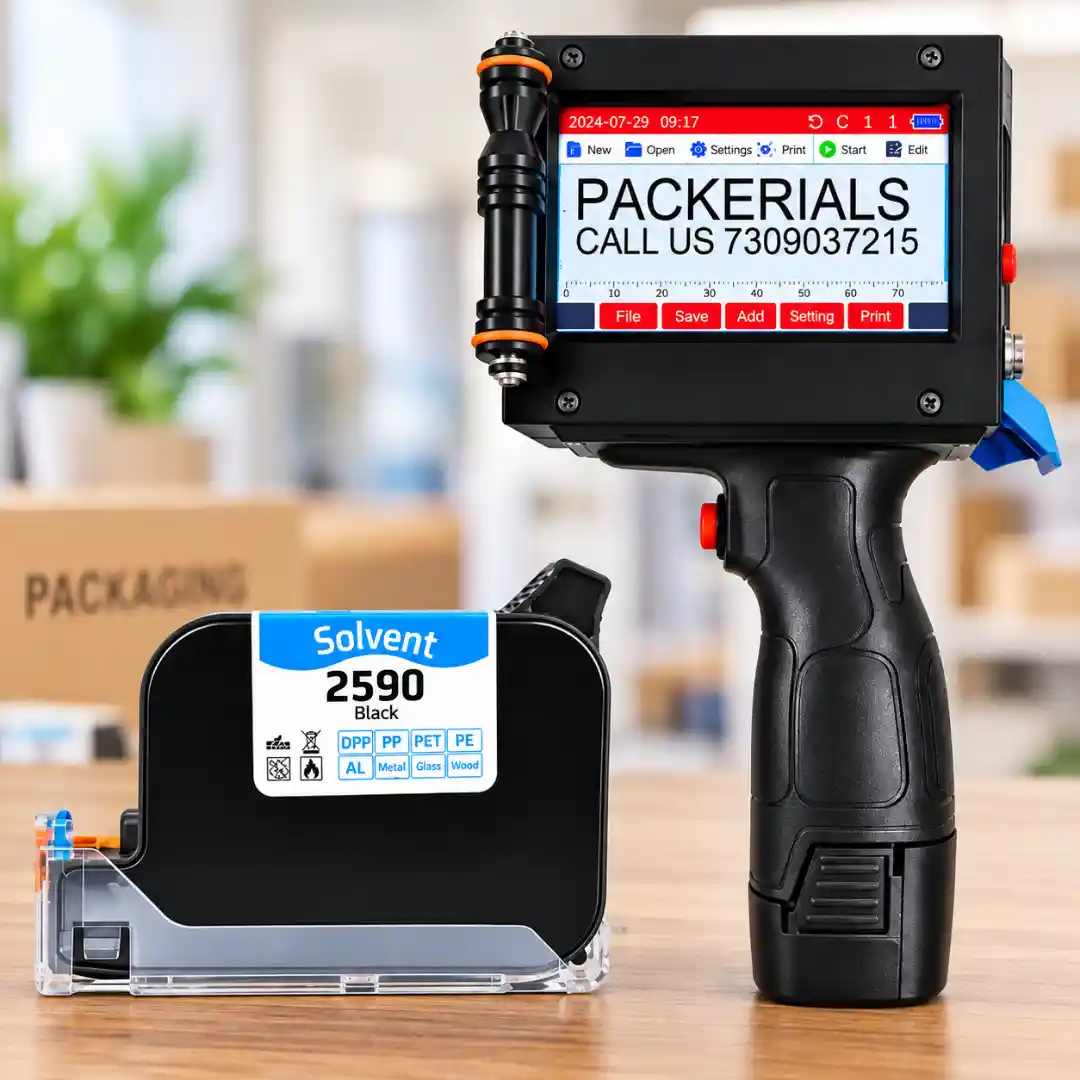
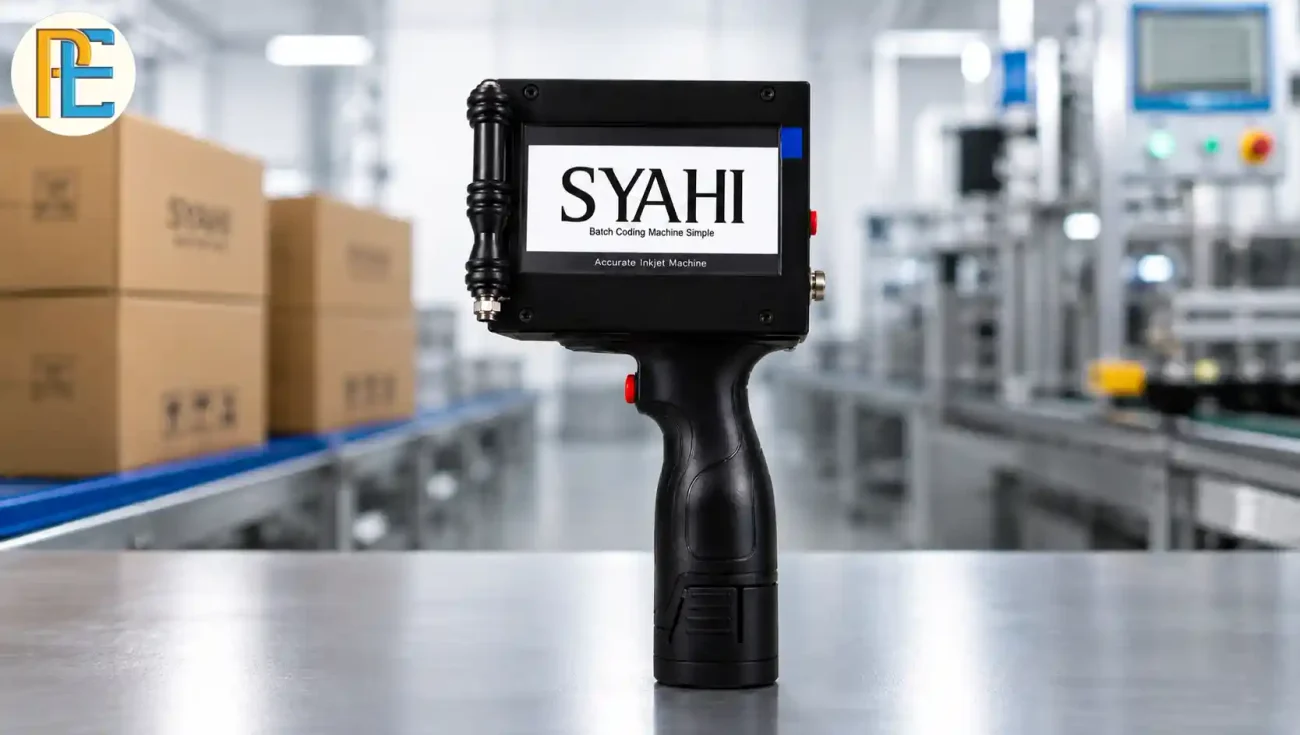
A thermal inkjet printer uses a cartridge to place ink onto the packaging surface. It works well for text, dates, barcodes, QR codes, and other variable information.
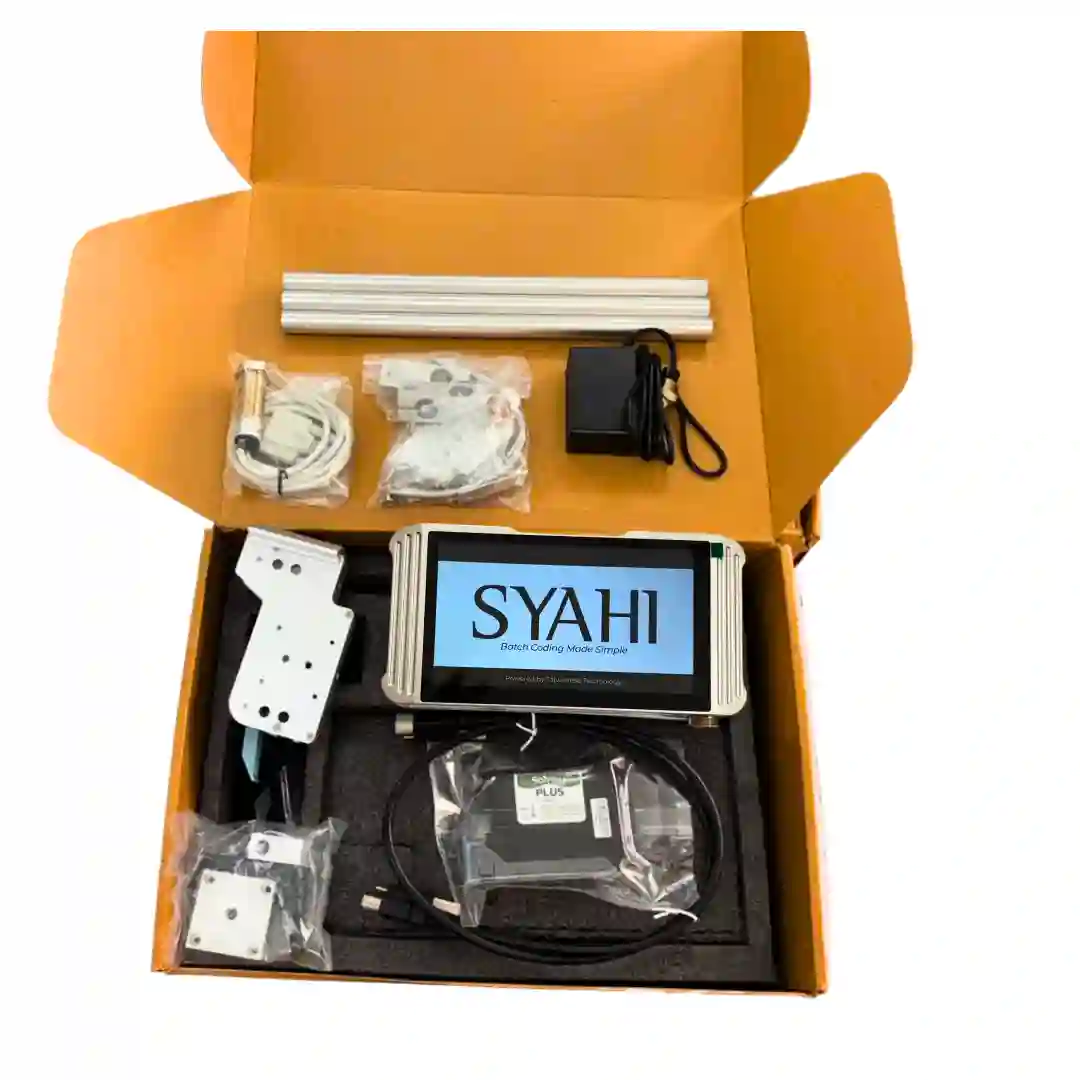
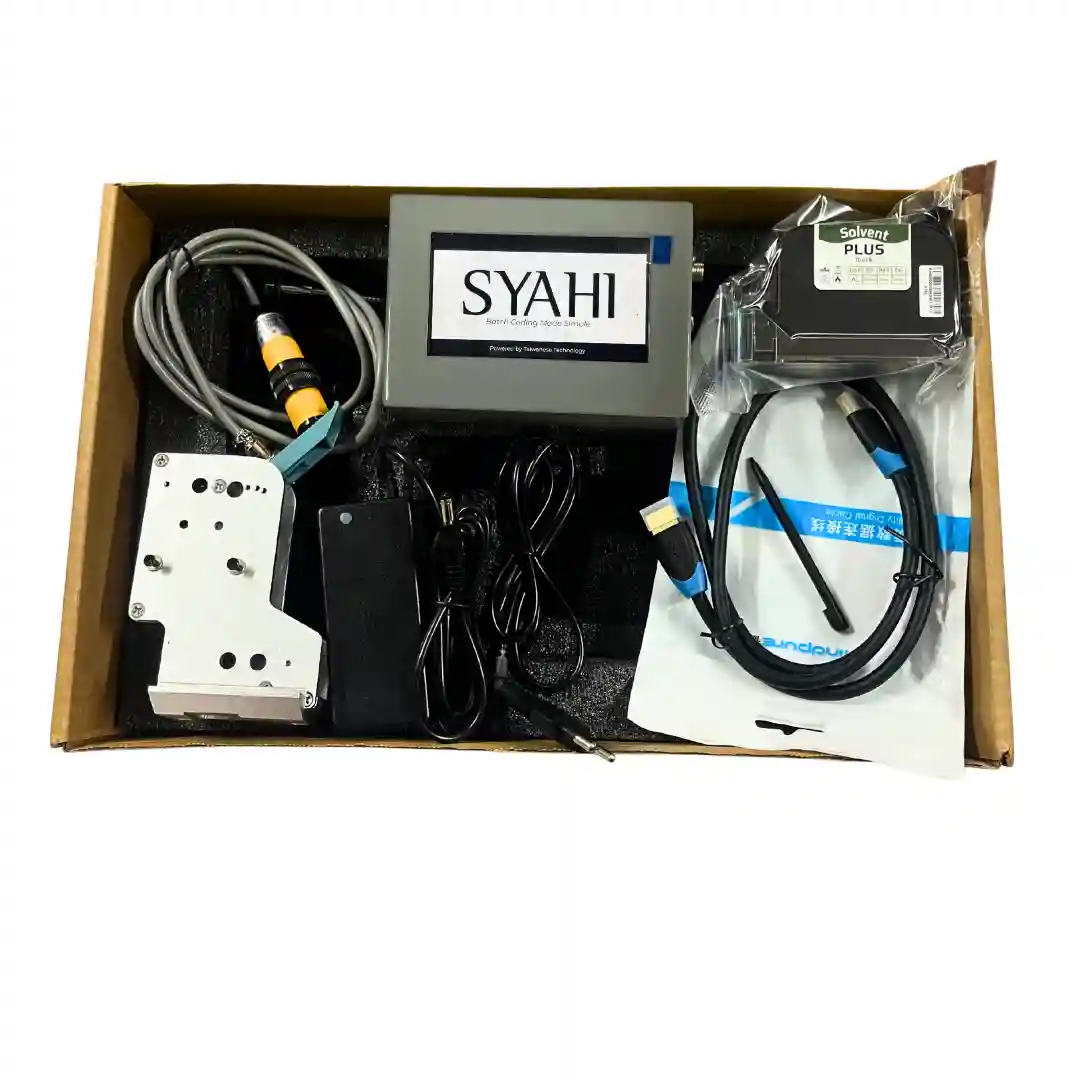
Packerials currently lists online thermal inkjet models from around ₹21,000, with higher models around ₹26,000 to ₹31,000 depending on configuration.
This makes a thermal batch coding printer useful for small and medium manufacturers that want digital printing without moving directly to a larger CIJ system.
Inkjet Batch Coding Machine
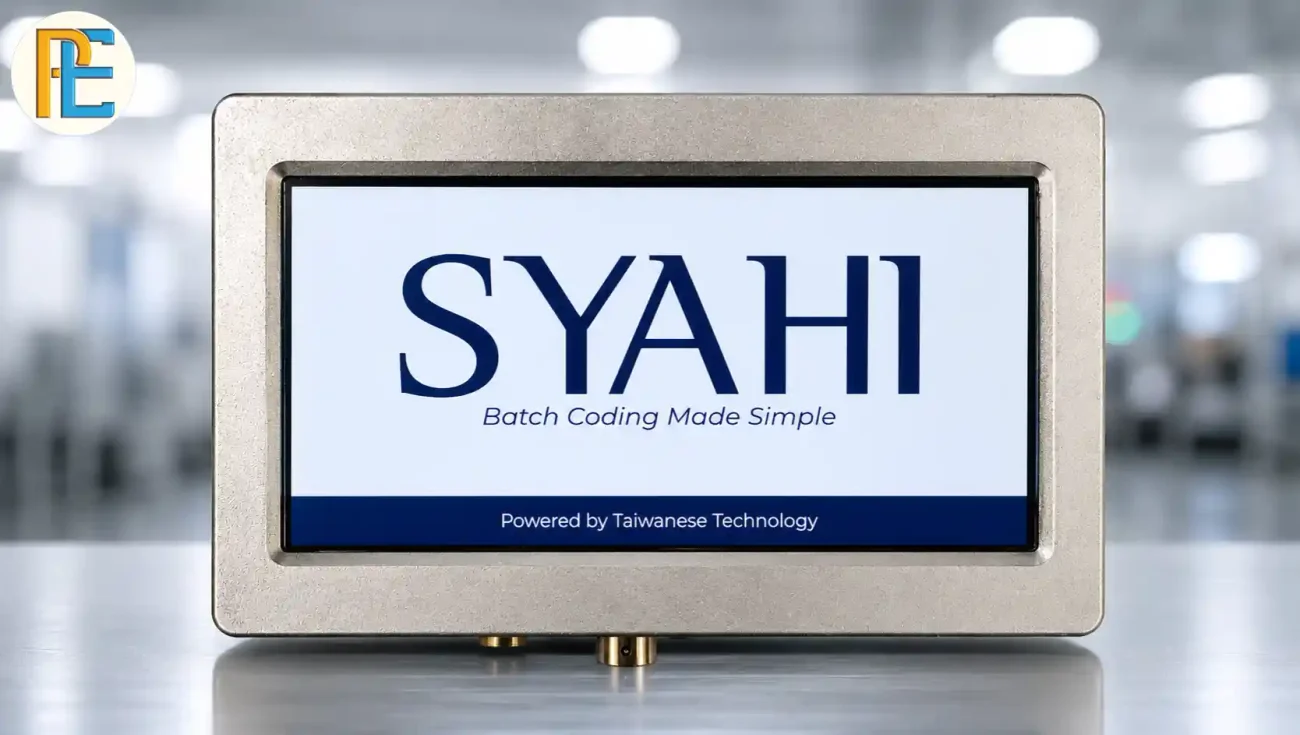
An inkjet batch coding machine sprays tiny ink droplets onto a moving product. It can print without touching the product.
This technology works well for bottles, cartons, cables, plastic containers, and other surfaces.
The Packerials Inkjet Printer specification supports alphanumeric text, logos, 1D and 2D barcodes, and multiple print lines.
Industrial Inkjet Coding Printer
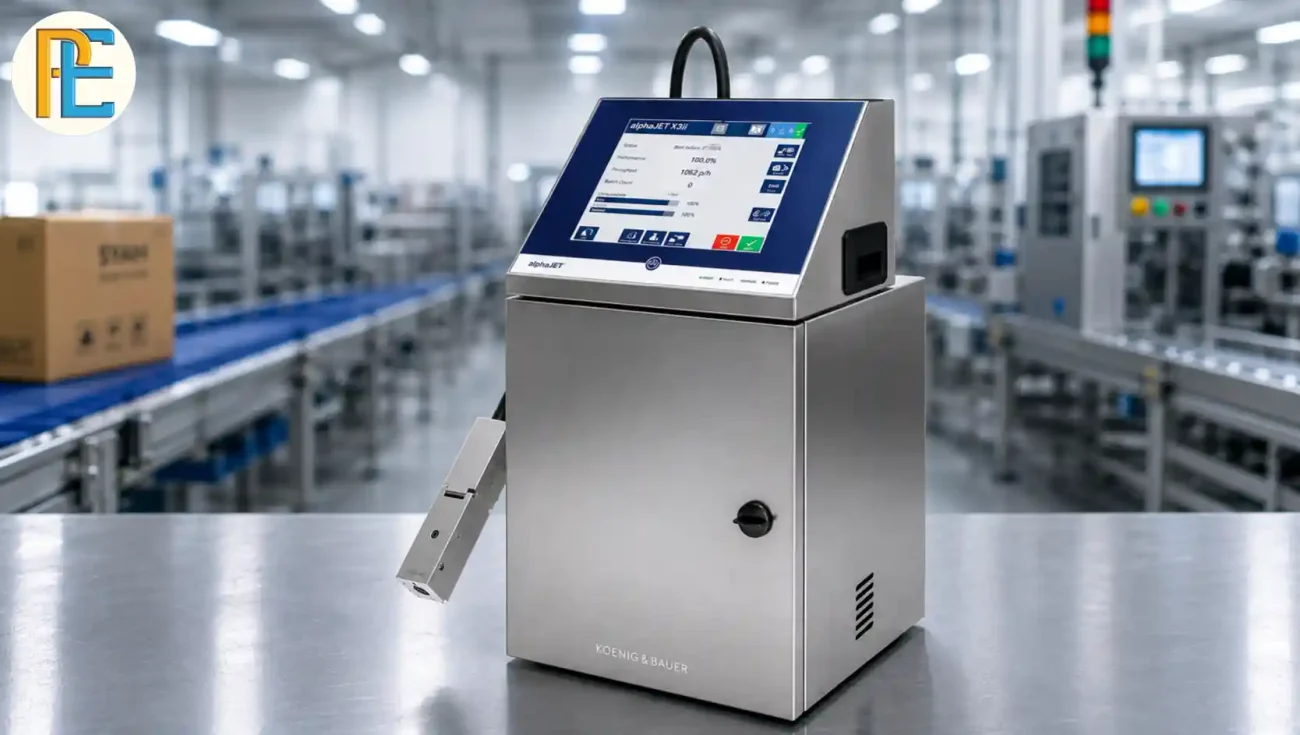
An industrial inkjet coding printer suits factories with continuous production.
It can integrate with conveyors and production lines. It can also print automatically when products pass the printhead.
The Continuous Inkjet model supports photocell and encoder connections for production-line integration.
Add image here: Industrial inkjet batch coding machine mounted beside a packaging conveyor.
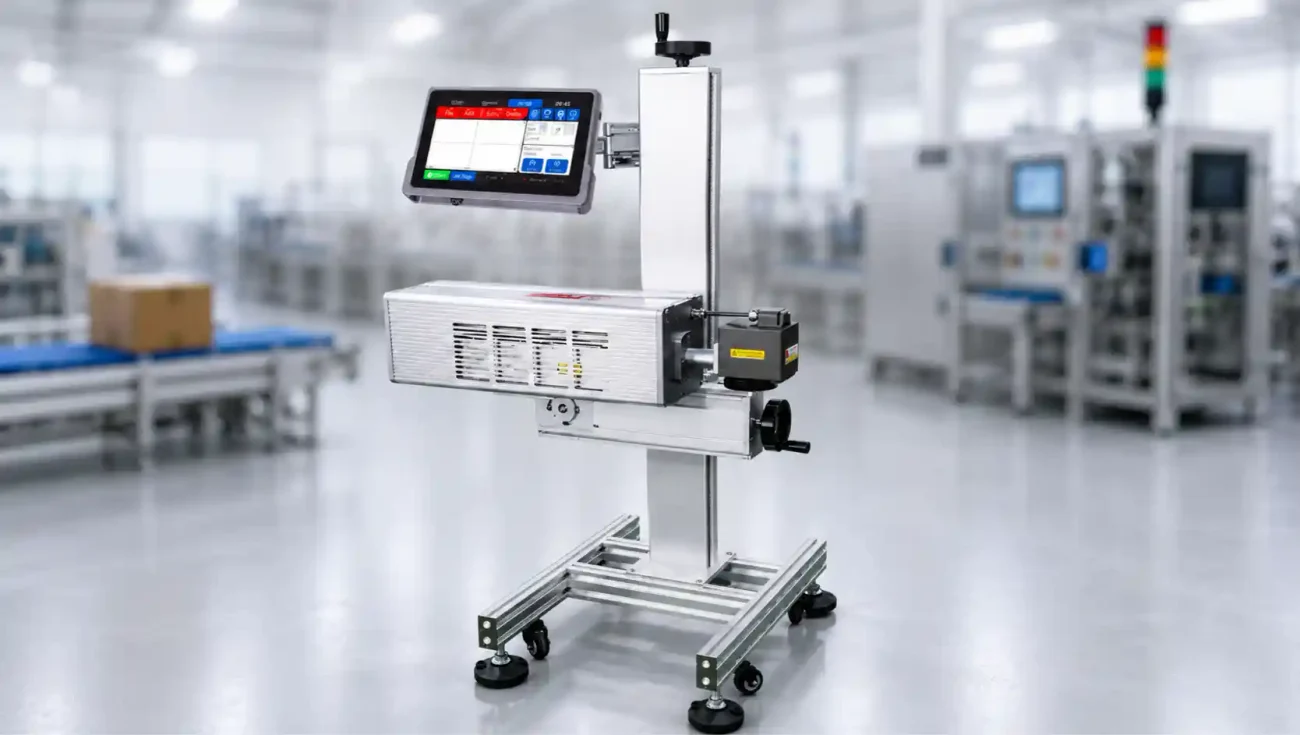
Laser Batch Coding Machine
A laser batch coding machine marks packaging using a focused laser beam.
It can make sense when you need permanent marking and want to reduce dependence on ink or ribbon.
However, the packaging material, required marking quality, production speed, and safety requirements should guide the selection.
Do not choose laser technology only because it has low consumable use. Check the complete installation cost first.
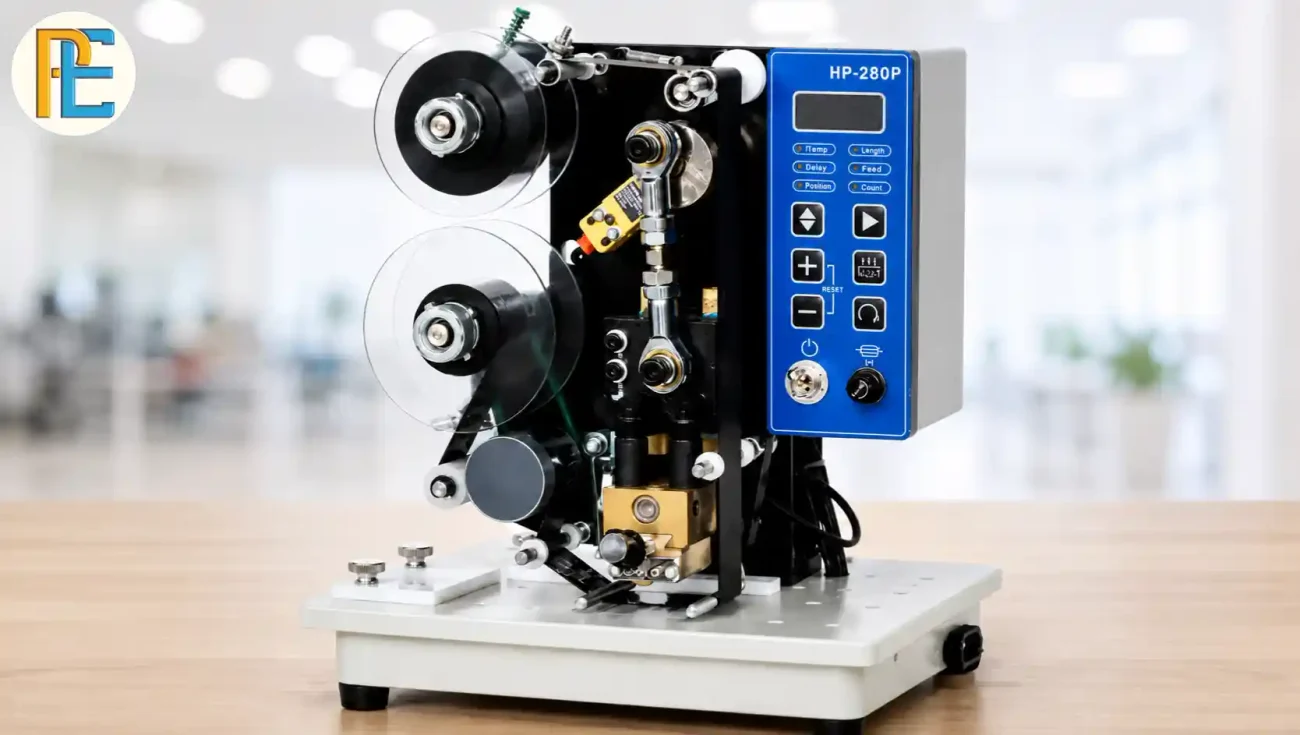
Hot Foil Batch Coder
Hot foil coding uses a heated type and ribbon to transfer characters onto suitable packaging.
This method can work well for pouches and films where the required information remains simple.
Automatic Batch Coding Machine vs Handheld Printer
A handheld printer can work well for low-volume operations. An automatic batch coding machine becomes more useful as production increases.
Consider these differences:
| Factor | Handheld printer | Automatic machine |
|---|---|---|
| Operation | Manual | Production-line based |
| Production volume | Low to medium | Medium to high |
| Labour | Higher | Lower |
| Speed | Depends on operator | Consistent |
| Integration | Limited | Conveyor and machine integration |
A business producing 500 packs a day may not need a large industrial system.
A factory producing thousands of packs every day should calculate the cost of labour and production delays before choosing manual coding.
How Much Does a Batch Coding Machine Cost to Run?
Purchase price is only one part of the calculation.
Use this simple formula:
Monthly coding cost = ink or ribbon cost + maintenance + electricity + labour + rejected prints
For example, assume a business prints 10,000 packs per day for 25 working days.
That gives:
10,000 × 25 = 250,000 packs per month
If manual coding takes 2 workers and an automatic system reduces that requirement to 1 worker, the labour saving can become an important part of the machine’s return on investment.
The actual saving depends on wages, working hours, print content, consumable usage, and machine speed. Do not use a fixed payback period without these figures.
Legal Requirements for Product Coding in India
Packaging coding also supports compliance.
The Legal Metrology (Packaged Commodities) Rules, 2011 require declarations on applicable packages, and the rules require declarations to remain legible and prominent. The rules also cover retail sale price and the month and year of manufacture or pre-packing, subject to specified exceptions.
Government consumer guidance also identifies information such as batch number, manufacturing date, best-before or expiry date, and MRP for relevant packaged food products.
This does not mean every product uses exactly the same label requirements. Food, pharmaceuticals, cosmetics, chemicals, and other products can have additional rules.
A coding machine does not make a product compliant by itself. Your business must enter the correct information and follow the rules that apply to its product category.
How to Choose the Best Batch Coding Machine
The best batch coding machine is the one that matches your production process.
Check these points before ordering:
- Daily production: Calculate the number of packs or bottles you code every day.
- Packaging material: Test the actual film, pouch, carton, bottle, or container.
- Print content: List MRP, batch number, dates, barcode, QR code, logo, and other information.
- Line speed: Make sure the printer can keep up with your packaging machine.
- Print height: Check the required character size before buying.
- Consumables: Compare ink, cartridge, ribbon, and solvent costs.
- Maintenance: Ask about cleaning, spare parts, and service.
- Future production: Choose equipment that can handle reasonable growth.
- Integration: Check whether you need a photocell, encoder, conveyor, or automatic trigger.
- Sample testing: Always test your actual packaging before making the final decision.
Pros and Cons of Different Coding Technologies
Thermal Inkjet
Pros
- Good print quality
- Useful for dates and barcodes
- Compact systems
- Suitable for many packaging applications
Cons
- Cartridge cost matters
- Surface and ink compatibility require testing
- Print performance depends on the application
Continuous Inkjet
Pros
- High-speed operation
- Non-contact printing
- Suitable for moving products
- Works across many industrial applications
Cons
- Higher investment than basic handheld printers
- Requires proper maintenance
- Ink and solvent costs need calculation
Laser
Pros
- No traditional ink or ribbon
- Permanent marking
- Useful for selected industrial applications
Cons
- Higher initial investment
- Packaging compatibility needs testing
- Requires suitable safety arrangements
A Simple Buying Decision
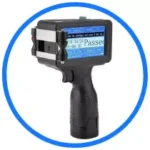
Choose a handheld batch coding printer if you have low production and frequently move between products.
Choose an online thermal batch coding printer if you need affordable digital coding for cartons, pouches, labels, or similar packaging.
Choose a continuous inkjet batch coding machine when you need faster non-contact printing on a production line.
Consider a laser batch coding machine when permanent marking and low dependence on consumables matter more than the initial investment.
The right choice depends less on the machine’s advertised price and more on the total cost of coding each product.
Also Read: https://packerials.com/how-to-choose-continuous-band-sealer-machine/
Final Buying Checklist
Before placing an order, confirm:
- Required print information
- Packaging material
- Product shape
- Production speed
- Daily production quantity
- Required print height
- Barcode or QR requirements
- Ink or ribbon consumption
- Electricity requirement
- Maintenance needs
- Conveyor requirement
- Integration with existing packaging machines
- Applicable Indian packaging regulations
- Availability of service and spare parts
A batch coding machine can become an important part of a packaging line. The right system reduces manual work, keeps printed information consistent, and supports better product traceability.
Start with your actual production numbers and packaging samples. Then compare the batch coding printer price, running cost, print quality, and automation level. This approach will help you choose equipment that fits your business today without creating unnecessary costs tomorrow.
Frequently Asked Questions
What is the price of a batch coding machine in India?
The batch coding machine price in India varies by technology and features. Entry-level handheld coders may start around ₹8,500, while thermal inkjet machines can start around ₹21,000. Industrial CIJ and laser coding machines can cost significantly more.
Which batch coding machine is best for small businesses?
A handheld or thermal inkjet batch coding printer is generally suitable for small businesses with low to medium production volumes. The right choice depends on packaging material, print requirements, and daily production.
What can a batch coding machine print?
A batch coding machine can print batch numbers, manufacturing dates, expiry dates, MRP, barcodes, QR codes, logos, and other variable product information on suitable packaging surfaces.
What is the difference between a handheld and automatic batch coding machine?
A handheld printer requires an operator to position and operate the machine, making it suitable for lower production volumes. An automatic batch coding machine can integrate with conveyors and production lines for faster and more consistent coding.
Which is better: thermal inkjet or continuous inkjet coding?
Thermal inkjet is often suitable for cartons, pouches, labels, and similar applications, while continuous inkjet is better suited to high-speed production lines and non-contact printing on moving products. The best option depends on your application.
What factors affect batch coding machine cost?
The main factors include printing technology, print speed, print height, number of print lines, packaging material, automation level, ink or ribbon requirements, conveyor integration, maintenance, and installation requirements.
How much does a batch coding machine cost to operate?
Operating costs depend on ink or ribbon consumption, maintenance, electricity, labour, and rejected prints. Businesses should calculate the total monthly coding cost rather than considering only the initial machine price.
Can batch coding machines print on plastic pouches and bottles?
Yes. Many inkjet and thermal coding machines can print on plastic pouches, bottles, cartons, films, labels, and other surfaces. However, the ink and printing technology should be tested on the actual packaging material before purchase.
Is a laser batch coding machine better than an inkjet printer?
Not necessarily. Laser coding can provide permanent marking without traditional ink or ribbon, while inkjet machines can offer greater flexibility for many packaging applications. The choice depends on material, production speed, marking requirements, budget, and installation conditions.
How should I choose the best batch coding machine for my business?
Consider your daily production volume, packaging material, required print information, line speed, print height, consumable costs, maintenance, automation needs, and future production growth. Testing the machine on your actual packaging before purchase is also recommended.