
Blog
How to Choose the Right Continuous Band Sealer Machine for Your Business


A small snack manufacturer started receiving customer complaints about broken pouch seals. Some packets leaked during transportation. Others lost freshness before reaching stores. Soon, product returns increased, packaging material was wasted, and profits started falling. The business owner initially thought the problem was poor packaging material. After several checks, the real issue turned out to be the sealing machine.
This situation is common in many factories. A sealing machine may look like a simple piece of equipment, but it directly affects product quality, shelf life, customer satisfaction, and production efficiency. Choosing the right Continuous Band Sealer Machine can help businesses avoid these problems and build a more reliable packaging process.
Why Packaging Quality Matters More Than Eve
Today, customers expect packaging to be neat, secure, and professional. A poorly sealed pouch can damage the product and the brand image.
Poor sealing can cause:
- Product leakage
- Moisture entry
- Reduced shelf life
- Product contamination
- Customer complaints
This is especially important in industries such as:
- Food processing
- Spice manufacturing
- Pharmaceuticals
- Chemicals
- Agriculture
For food businesses in India, proper packaging also helps comply with FSSAI labeling and packaging requirements. Good sealing ensures that the product remains safe until it reaches the consumer.
Understanding a Continuous Band Sealer Machine
A Continuous Band Sealer Machine is designed to seal pouches continuously without stopping after each package. This helps businesses achieve faster packaging speeds and consistent seal quality. A continuous band sealer is especially useful for operations that run high daily volumes where manual sealing is not practical.
How It Works
The process is simple:
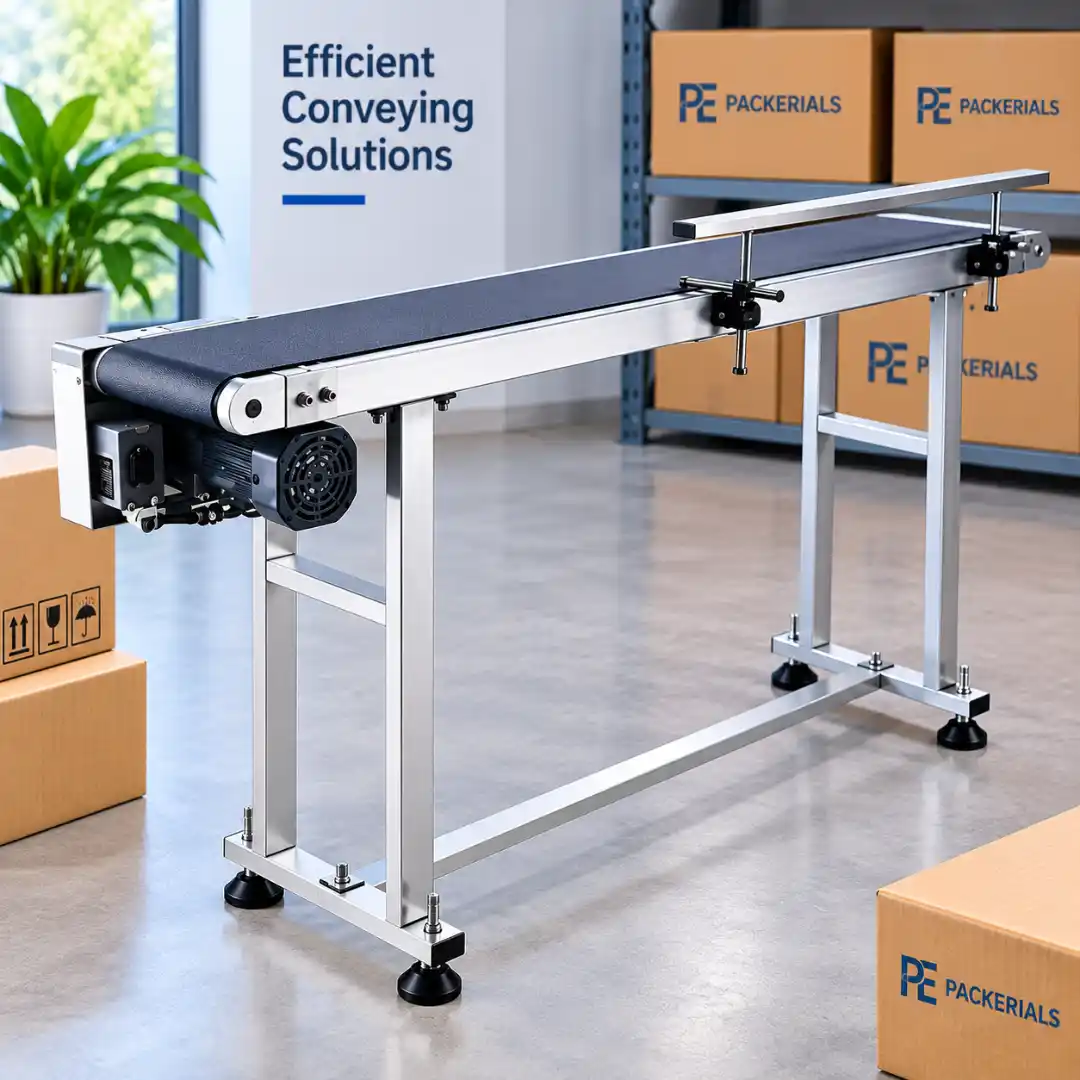
- The operator places filled pouches on the conveyor.
- The pouch moves through heated sealing belts.
- Heat and pressure create a strong seal.
- The sealed pouch exits the machine ready for packing or dispatch.
Since the process is continuous, production remains smooth and efficient.
Main Features
Most continuous band sealer models offer:
- Continuous sealing operation
- Adjustable conveyor speed
- Temperature control system
- Vertical and horizontal configurations
- Batch coding compatibility
7 Factors to Consider Before Buying a Continuous Band Sealer Machine
1. Type of Product You Pack
The first factor is the type of product being packaged.
Dry Products
Examples include:
- Spices
- Tea
- Pulses
- Namkeen
- Dry fruits
These products usually work well with a horizontal continuous band sealer.
Liquid and Semi-Liquid Products
Examples include:
- Edible oil
- Sauces
- Liquid chemicals
- Cleaning solutions
These products often require vertical sealing machines to prevent leakage during sealing. The wrong machine type can reduce seal quality and increase product wastage.
2. Pouch Size and Weight
Not every continuous band sealer machine is suitable for every pouch size. Small sachets need different handling compared to large industrial pouches. Heavy bags require stronger sealing pressure and better conveyor support.
| Pouch Type | Recommended Machine Setup | Common Industries |
| Small Sachets | Eco Band Sealer | Spices, Tea |
| Medium Pouches | Standard Band Sealer | Snacks, Dry Fruits |
| Large Pouches | Heavy Duty Band Sealer | Chemicals, Grains |
Always check the maximum conveyor load before purchasing.
3. Production Volume Per Day
Your production target should guide your continuous band sealer machine selection.
- Small Scale Production: Less than 2,000 pouches per day
- Medium Scale Production: 2,000 to 10,000 pouches per day
- Large Scale Production: More than 10,000 pouches per day
A machine that matches your production volume prevents bottlenecks and future upgrades.
Simple Cost Saving Example
Suppose three workers manually seal 1,500 pouches daily. Monthly labor cost: ₹15,000 × 3 = ₹45,000
With a Continuous Band Sealer Machine:
- One operator can handle the process
- Labor cost becomes ₹15,000 per month
Monthly savings: ₹45,000 – ₹15,000 = ₹30,000
This saving alone can help recover the machine cost within a reasonable period.
4. Vertical or Horizontal Machine: Which One Do You Need?
This is one of the most important buying decisions when selecting a continuous band sealer.
Horizontal Continuous Band Sealer
Best suited for:
- Powders
- Snacks
- Tea
- Dry products
Vertical Continuous Band Sealer
Best suited for:
- Liquids
- Granules
- Heavy pouches
| Feature | Horizontal | Vertical |
| Dry Products | Excellent | Good |
| Liquids | Not Ideal | Excellent |
| Large Bags | Limited | Better |
| Flexibility | High | Medium |
5. Temperature Control System
Different packaging materials require different sealing temperatures. A good continuous band sealer machine should allow accurate temperature adjustment.
Common packaging materials include:
- LDPE
- Laminates
- Multi-layer films
Signs of Incorrect Temperature Settings
If the temperature is too high:
- Burnt seals
- Damaged packaging film
If the temperature is too low:
- Weak seals
- Leakage issues
Poor temperature control often leads to packaging failures and increased waste.
6. Batch Coding Requirements
Most packaged products require printed information. This includes:
- Manufacturing date
- Expiry date
- Batch number
- MRP details
Why It Matters
Indian regulations require proper labeling for many packaged goods. Important requirements may include:
- FSSAI labeling rules for food products
- Legal Metrology requirements for packaged goods
Clear and readable coding improves traceability and compliance.
Internal linking suggestion: Read our guide on batch coding machines for packaging industries.
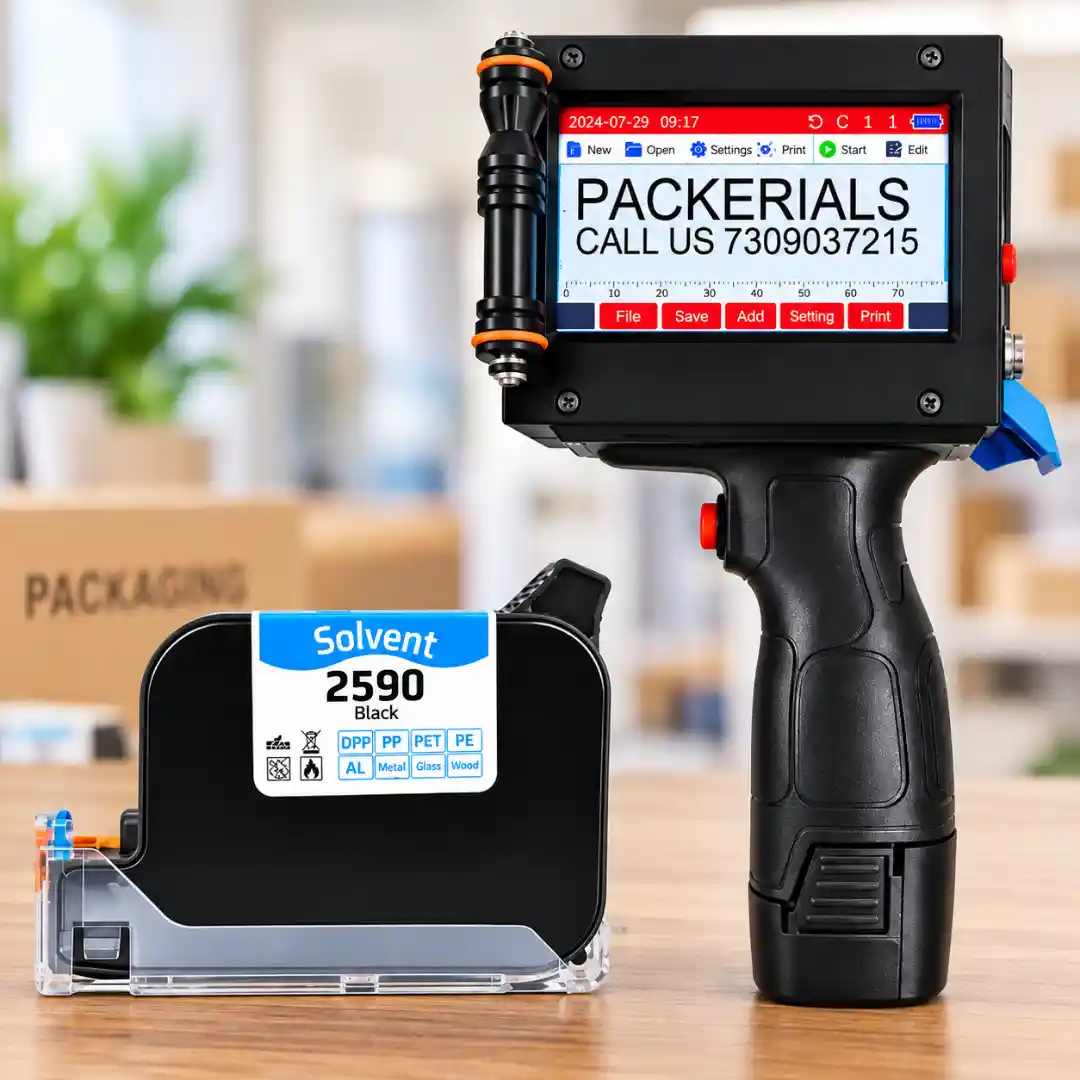
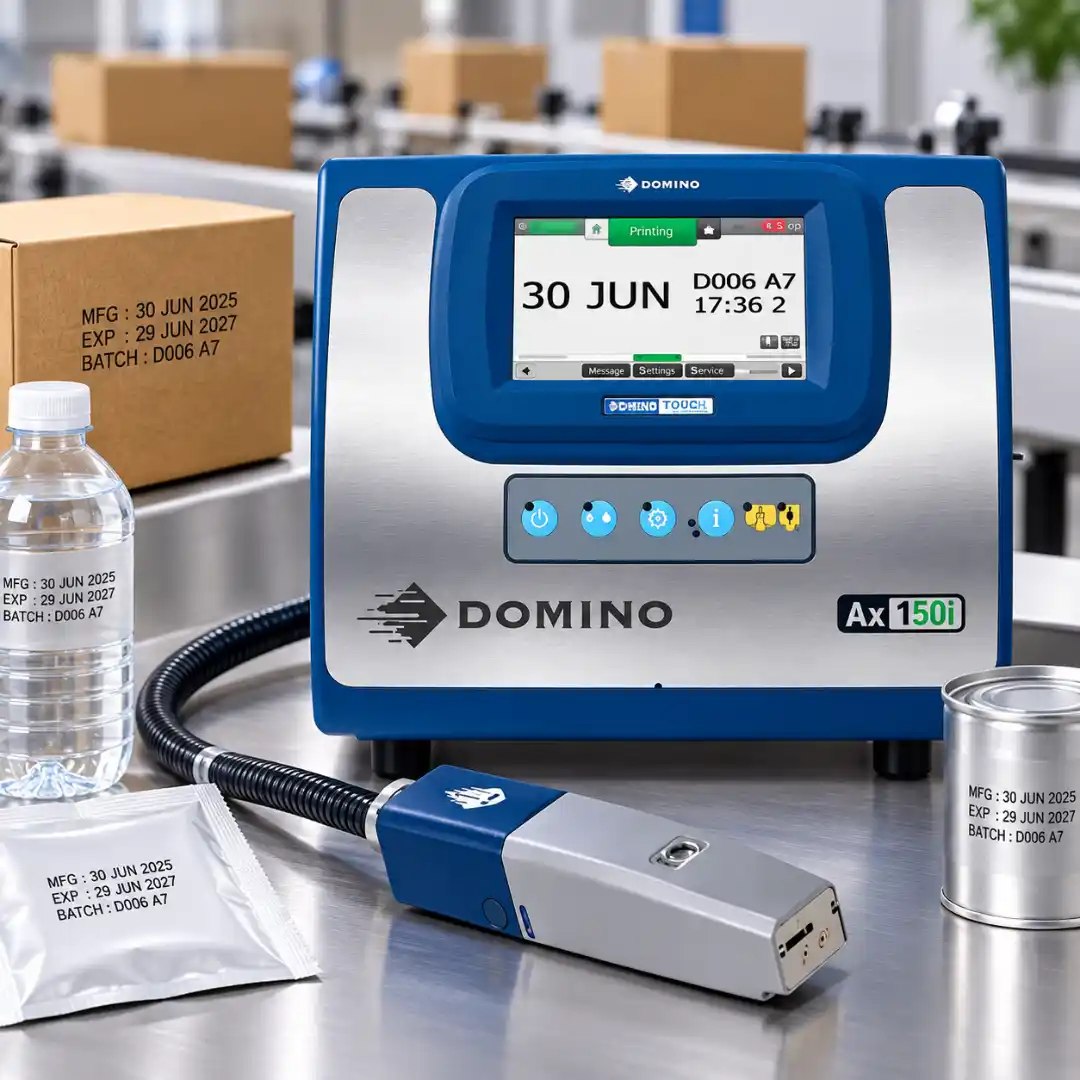
Businesses can also integrate coding systems such as inkjet printers for automatic printing during packaging. Many continuous band sealer models support direct integration with such coding systems.
7. Maintenance and Spare Parts Availability
Many buyers focus only on purchase price and forget about maintenance. Before buying a continuous band sealer machine, ask:
- Are spare parts easily available?
- Is technical support available nearby?
- What is the expected maintenance schedule?
- How quickly can repairs be completed?
A machine with reliable service support can save significant downtime costs.
Common Mistakes Businesses Make While Buying a Band Sealer
Buying Only Based on Price
The cheapest continuous band sealer is not always the most economical. Low-cost machines may result in:
- Frequent repairs
- Lower productivity
- Higher operating costs
Ignoring Future Production Growth
Many businesses buy machines based only on current production. As orders increase, the machine may become a bottleneck. Choose a continuous band sealer machine that can support future expansion.
Choosing the Wrong Machine Orientation
Using a horizontal machine for liquid products can create leakage problems. Always match the machine type with the product.
Not Testing Packaging Material Before Purchase
Different films behave differently during sealing. Always test actual packaging material before making a final decision.
Continuous Band Sealer Machine Benefits
Advantages
- Faster packaging operations
- Consistent seal quality
- Reduced labor costs
- Professional package appearance
- Improved shelf life
- Better production efficiency
Limitations
- Requires electricity
- Needs routine maintenance
- Initial investment is higher than manual sealers
Despite these limitations, most growing businesses find the investment worthwhile. A continuous band sealer pays for itself quickly through labor savings and improved output quality.
Industries That Commonly Use Continuous Band Sealers
Food Industry
- Spices
- Tea
- Namkeen
- Dry fruits
Pharmaceutical Industry
- Medical products
- Health supplements
Chemical Industry
- Powder chemicals
- Industrial granules
Agriculture Industry
- Seeds
- Fertilizers
- Animal feed products
The versatility of a continuous band sealer machine makes it suitable for many packaging applications.
Estimated Return on Investment (ROI)
| Details | Manual Sealing | Band Sealer |
| Workers Required | 3 | 1 |
| Daily Output | 1,500 Pouches | 5,000 Pouches |
| Monthly Labor Cost | ₹45,000 | ₹15,000 |
Monthly labor saving: ₹30,000
If a continuous band sealer machine costs ₹180,000, the labor savings alone can recover the investment in approximately six months. Actual ROI may be faster when increased production capacity and reduced wastage are considered.
The answers will help narrow down the right machine for your business.
Questions to Ask Before Finalizing a Machine
Before making a purchase, ask yourself:
- What products will I pack?
- What is my daily production target?
- Do I need batch coding?
- What pouch sizes will I use?
- Do I need vertical or horizontal sealing?
- Is after-sales support available?
- Can the continuous band sealer support future growth?
The answers will help narrow down the right machine for your business.
Choosing a Machine That Supports Long-Term Growth
A continuous band sealer machine is more than a packaging tool. It directly affects product quality, customer satisfaction, and factory productivity. The right continuous band sealer should match your product type, pouch size, production target, and compliance requirements. It should also support future business growth instead of becoming a limitation after a few years.
Taking time to evaluate these factors can help you make a smarter investment and build a more efficient packaging operation.
10 Most Important FAQs
1. What is a continuous band sealer machine used for?
A continuous band sealer machine is used to seal filled pouches quickly and continuously. It is helpful for businesses that pack food items, spices, tea, snacks, chemicals, seeds, powders, and other pouch-based products. It gives a neat, strong, and consistent seal, which helps protect the product during storage and transport.
2. How do I know which continuous band sealer machine is right for my business?
The right machine depends on your product type, pouch size, pouch weight, daily production target, and packaging material. For dry products like spices or snacks, a horizontal band sealer usually works well. For liquid, semi-liquid, or heavy pouches, a vertical band sealer is usually a better choice.
3. What is the difference between a horizontal and vertical band sealer?
A horizontal band sealer is best for dry products such as powders, tea, namkeen, dry fruits, and spices. A vertical band sealer keeps the pouch standing while sealing, so it is better for liquids, granules, and heavier packs. Choosing the wrong type can lead to leakage, weak seals, or production delays.
4. Can a continuous band sealer machine seal food pouches safely?
Yes, it is widely used for food packaging because it helps create tight and clean pouch seals. A proper seal helps protect food products from moisture, dust, leakage, and freshness loss. For food businesses, good sealing also supports better shelf life and a more professional product presentation.
5. Which pouch materials can be sealed with a continuous band sealer?
A continuous band sealer can seal many heat-sealable pouch materials such as LDPE, laminated films, multi-layer pouches, and plastic packaging films. However, every material needs the right temperature setting. Testing your actual pouch material before purchase is always a smart step.
6. Why is temperature control important in a continuous band sealer machine?
Temperature control decides the strength and finish of the seal. If the temperature is too low, the pouch may not seal properly. If it is too high, the film can burn or shrink. A good temperature control system helps maintain seal quality and reduces packaging wastage.
7. Can a continuous band sealer print batch numbers and expiry dates?
Many band sealer machines come with batch coding options or can be connected with coding systems. This helps print details like batch number, manufacturing date, expiry date, and MRP. It is useful for businesses that need proper product labeling and traceability.
8. Is a continuous band sealer better than manual sealing?
Yes, especially for growing businesses. Manual sealing can be slow and inconsistent, while a continuous band sealer gives faster output and uniform sealing quality. It also reduces labor dependency, saves time, improves packaging appearance, and helps manage higher production volumes.
9. How much maintenance does a continuous band sealer need?
A continuous band sealer needs basic regular maintenance such as cleaning, checking sealing belts, monitoring temperature settings, inspecting the conveyor, and replacing worn parts when needed. With proper care, the machine can run smoothly for a long time and reduce unexpected breakdowns.
10. What should I check before buying a continuous band sealer machine?
Before buying, check your product type, pouch size, daily output requirement, machine orientation, temperature control, batch coding requirement, conveyor load capacity, spare parts availability, and after-sales support. A slightly better machine with reliable support can save more money in the long run than a low-cost machine with frequent problems.