
Blog
How to Choose the Right Ink Cartridge for a Thermal Inkjet Printer

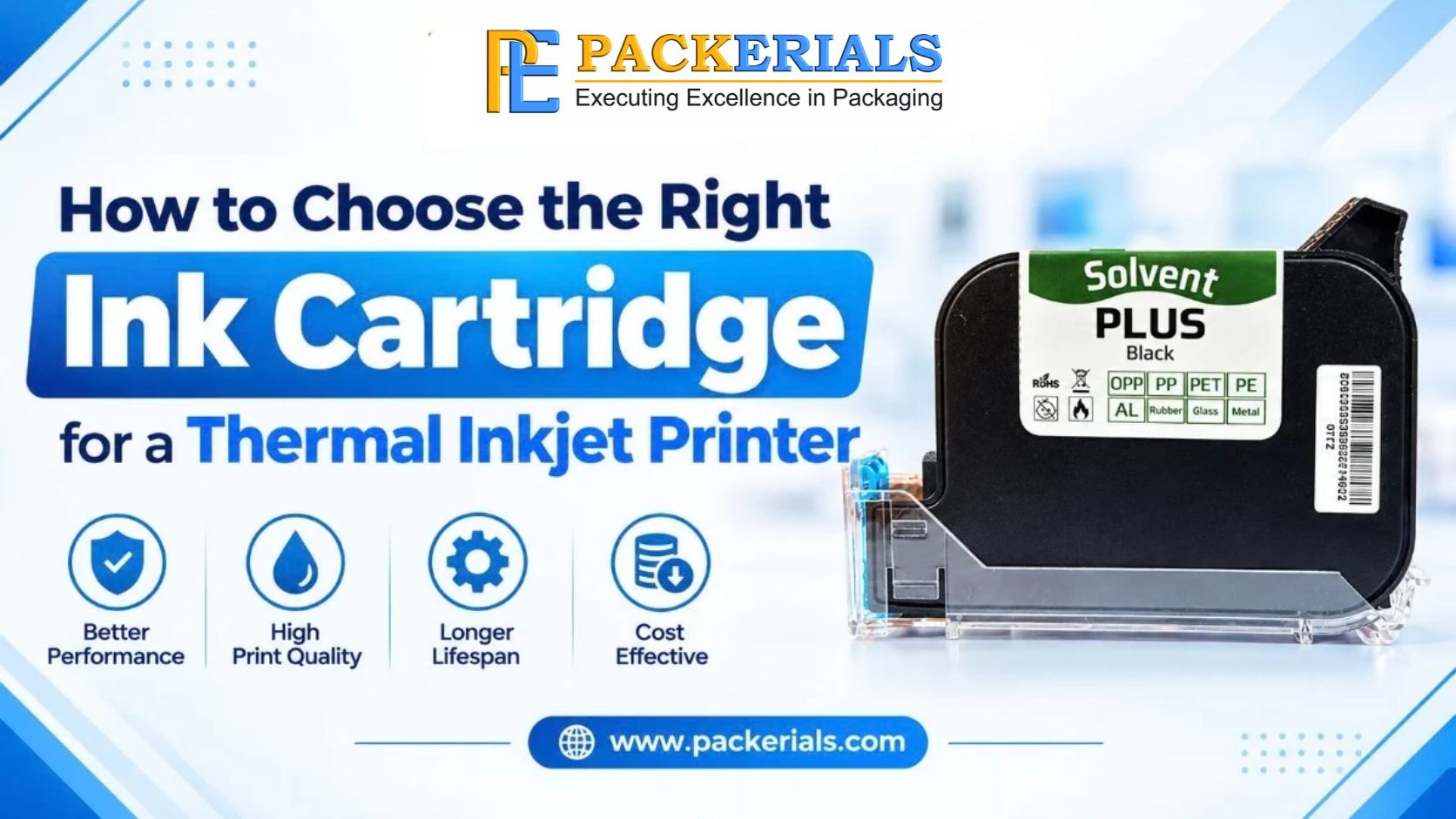
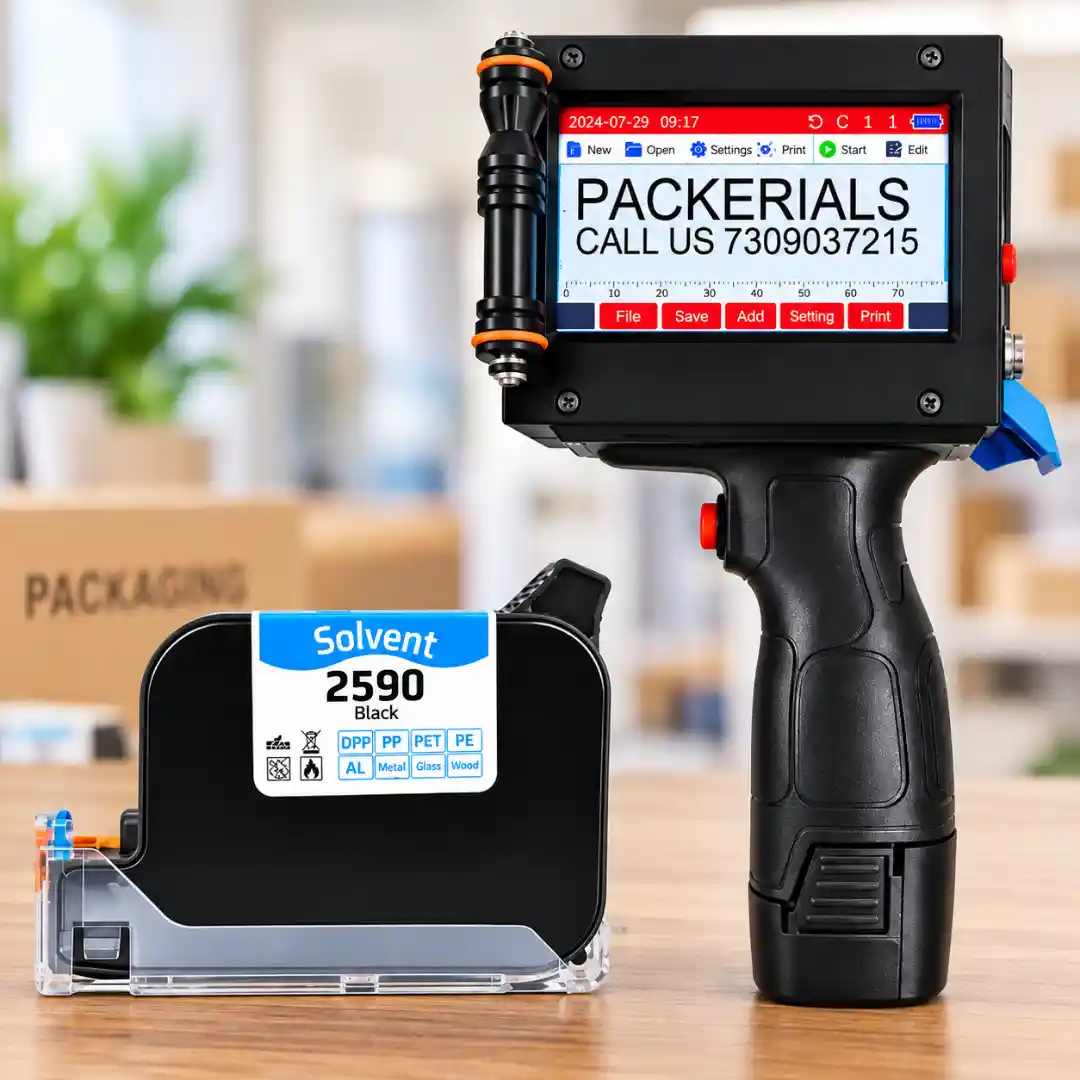
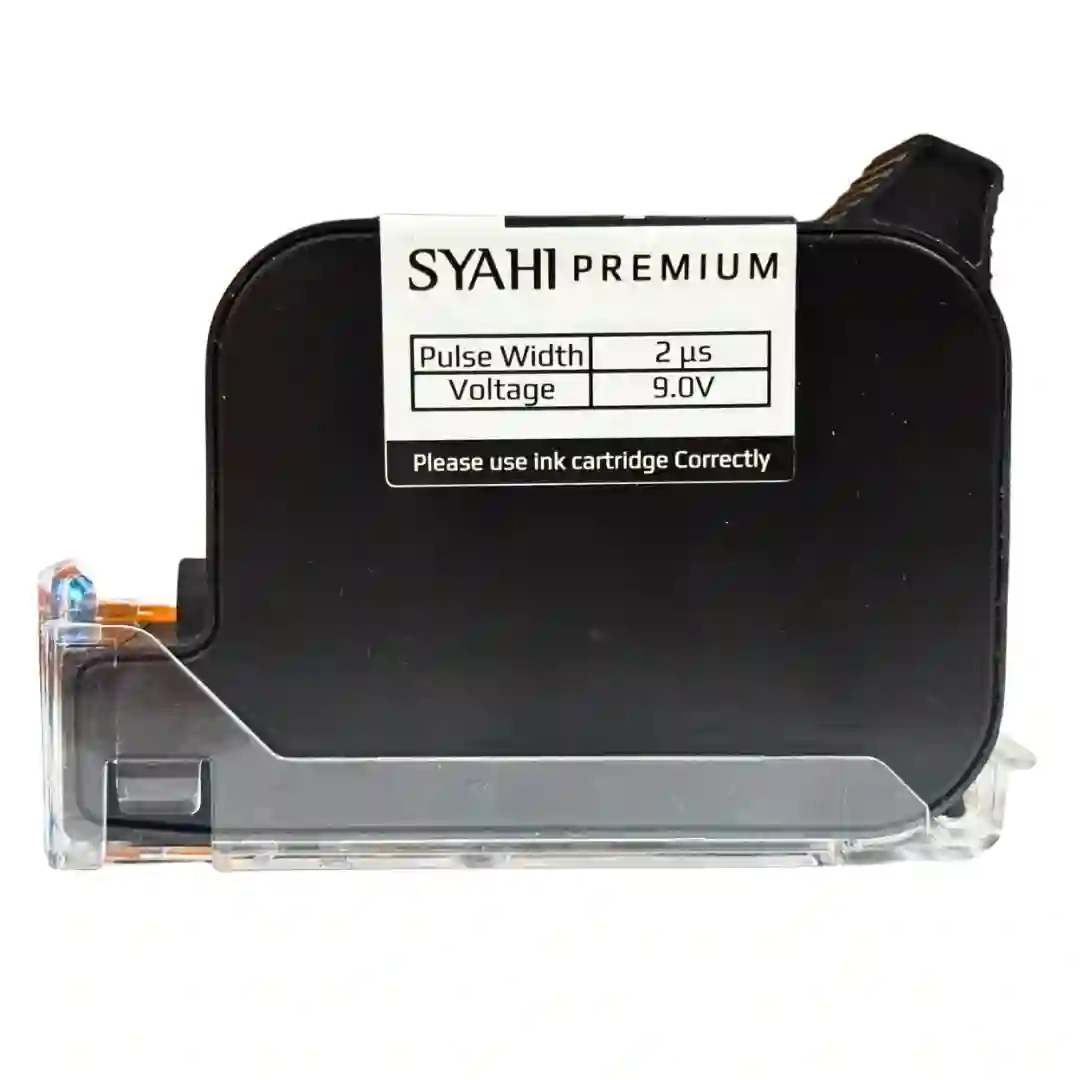
A thermal inkjet printer cartridge plays an important role in the quality, reliability, and operating cost of your coding and marking process. The right cartridge can produce sharp batch numbers, manufacturing dates, expiry dates, MRP, barcodes, QR codes, and other variable information.
However, choosing a TIJ ink cartridge is not simply about finding a cartridge that fits your printer. The ink must also be compatible with your printer, printing material, production speed, and application.
Whether you are printing on cartons, paper, plastic, films, glass, or other packaging materials, here are the key factors to consider when selecting the right thermal inkjet cartridge.
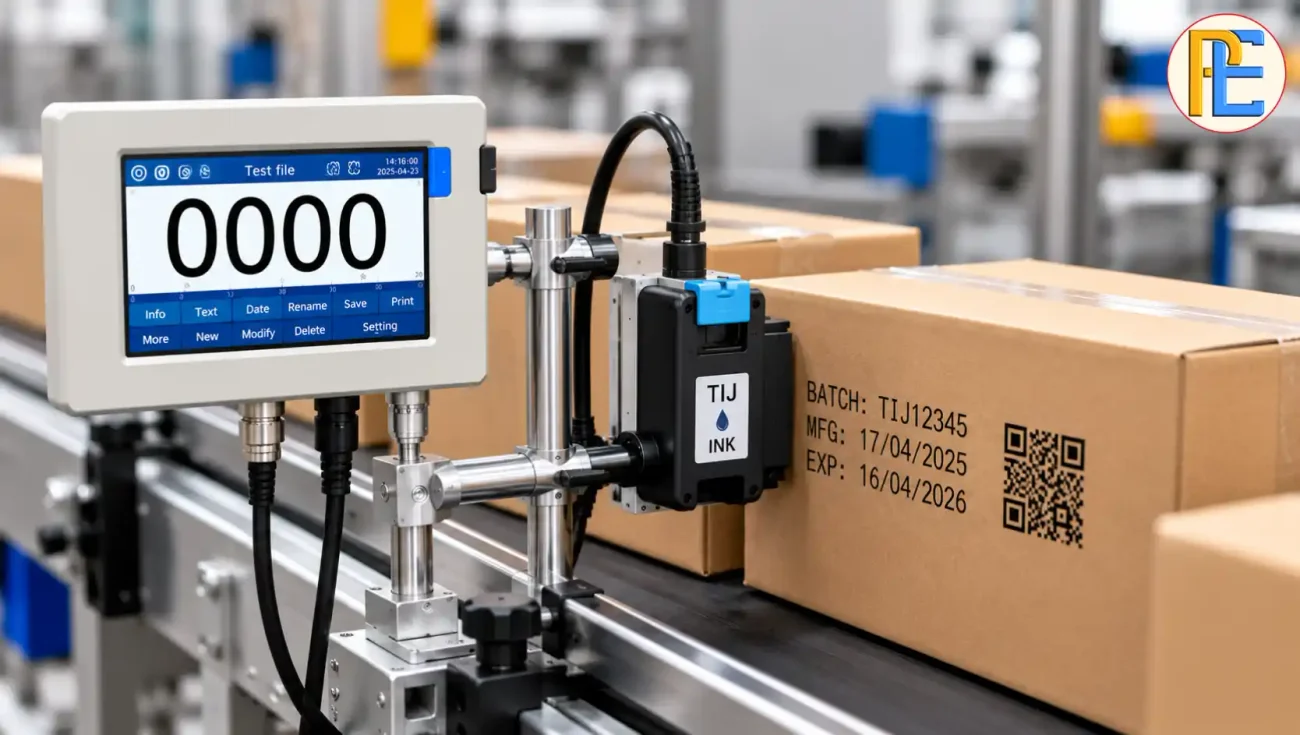
1. Check Your Thermal Inkjet Printer Model
The first step is to identify your printer model and its compatible cartridge.
Different TIJ printers can use different cartridge platforms and ink formulations. Before purchasing a cartridge, check:
- Printer brand and model
- Compatible cartridge model
- Cartridge technology
- Ink type supported
- Print height
- Recommended ink specifications
Using the wrong cartridge can result in poor print quality, compatibility problems or inconsistent printing.
Modern TIJ systems are available with different ink options depending on the application and substrate. For example, manufacturers offer water-based and solvent-based options for different types of materials.
Tip: If you are unsure which TIJ printer cartridge you need, check the model number printed on your existing cartridge before ordering.
2. Choose the Correct Ink Type
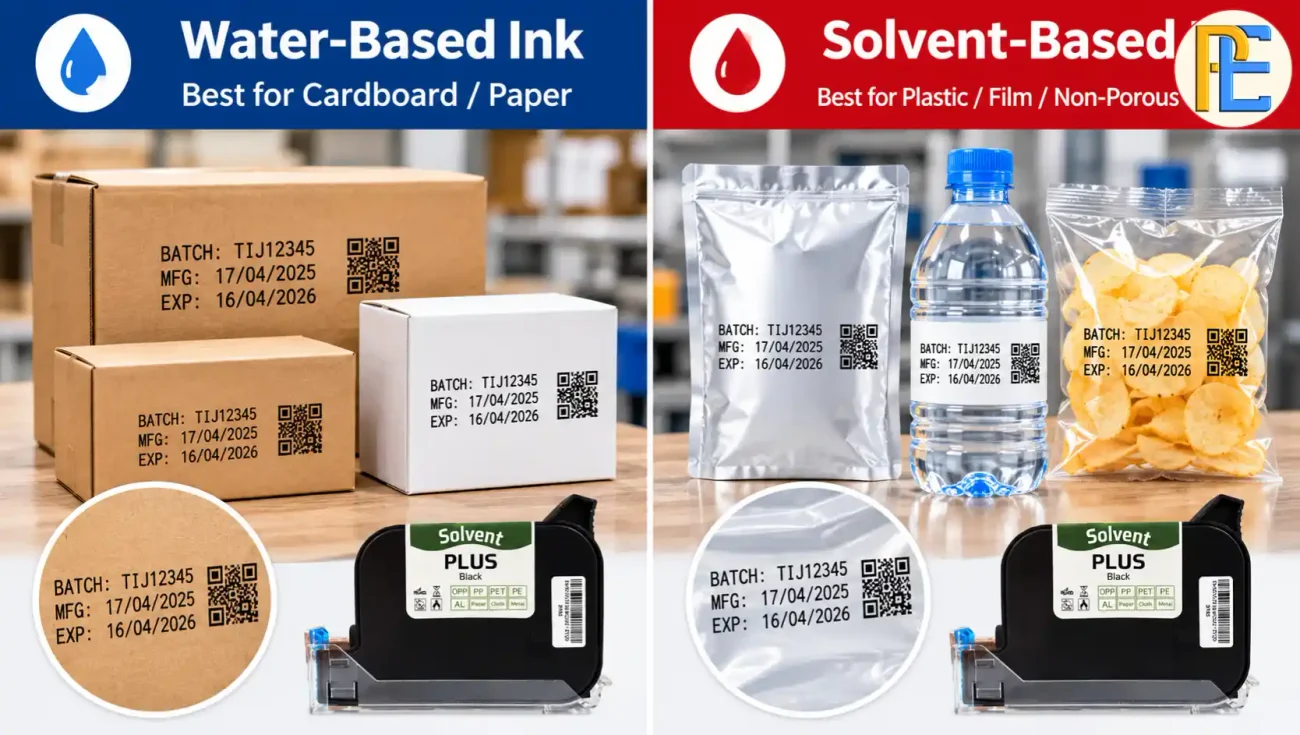
One of the most important factors when selecting thermal inkjet ink is the type of surface you want to print on.
Water-Based Ink
Water-based inks are commonly used for porous materials such as:
- Corrugated cartons
- Paper
- Cardboard
- Kraft paper
- Paper labels
These materials absorb the ink, making them suitable for applications such as batch coding and date printing.
Solvent-Based Ink
Solvent-based TIJ inks can be suitable for many non-porous materials, including:
- Plastic
- Films
- Foils
- Glass
- Coated materials
Specific compatibility depends on the ink formulation and substrate. Some solvent-based TIJ inks are designed specifically for films, plastics and coated stocks.
3. Consider the Printing Surface
Your printing material is just as important as your printer.
An ink cartridge that performs well on corrugated cardboard may not provide the same adhesion on a plastic pouch or laminated film.
Before selecting an ink cartridge for a thermal inkjet printer, consider:
- Is the surface porous or non-porous?
- Is it coated?
- Is it laminated?
- Is the surface smooth or rough?
- Does the print need to resist rubbing or moisture?
For example, TIJ systems are widely used for high-resolution coding on cartons, labels and paperboard, while specific solvent formulations are available for non-porous substrates.
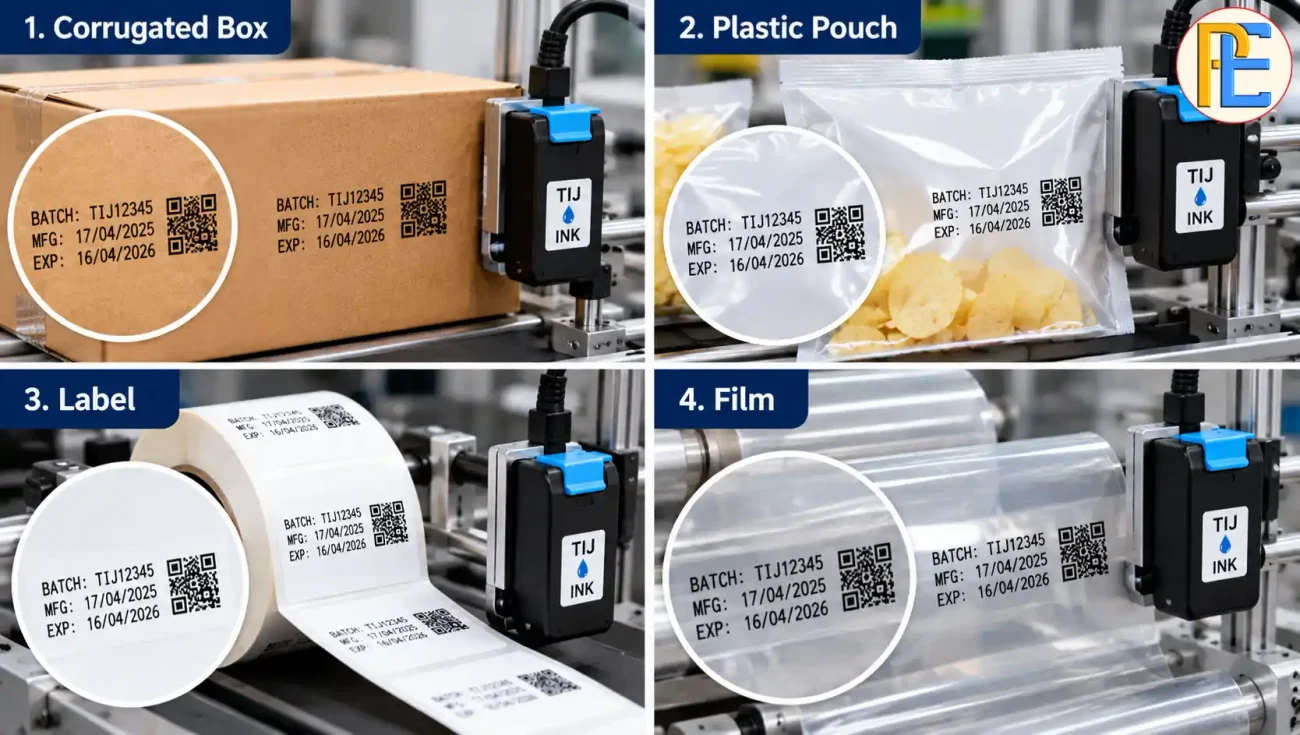
4. Match the Cartridge to Your Printing Requirements
Think about what you need to print.
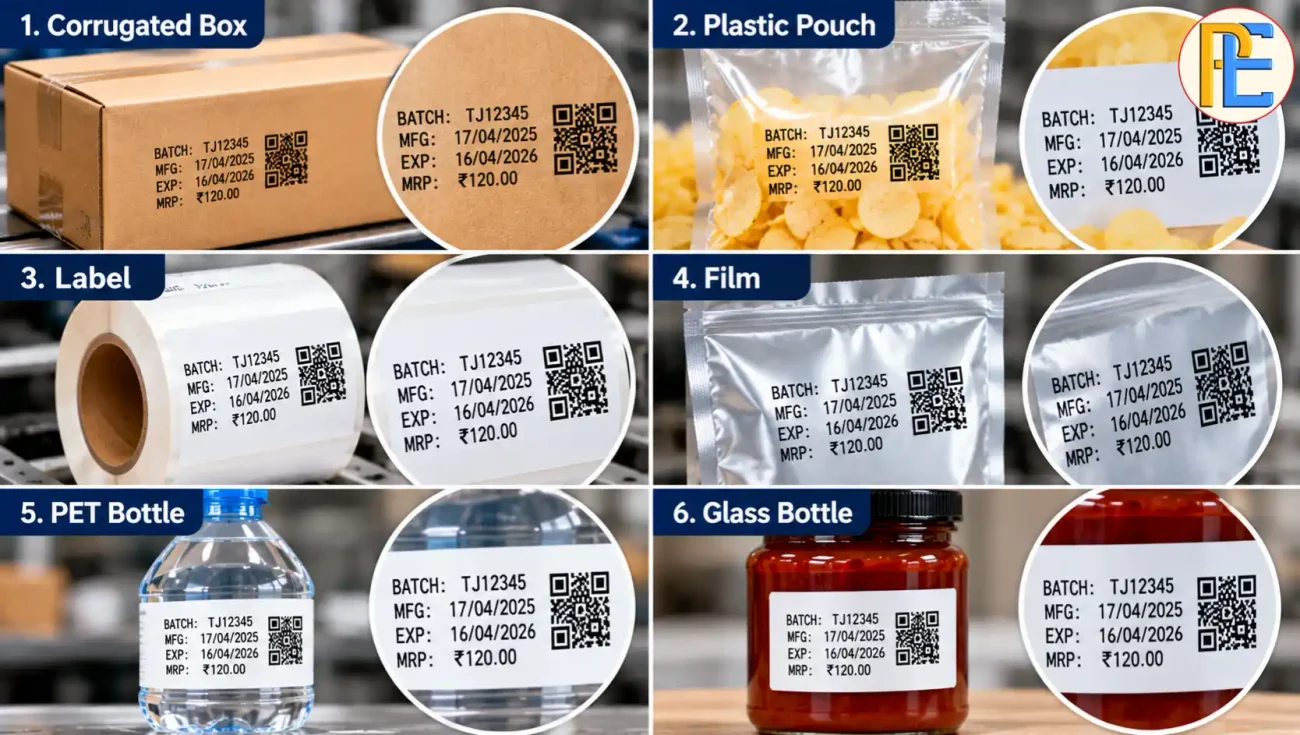
A TIJ coding printer can be used for information such as:
- Batch numbers
- Manufacturing dates
- Expiry dates
- MRP
- Product codes
- Barcodes
- QR codes
- Logos
- Variable data
High-resolution TIJ systems are particularly useful where small text, barcodes and 2D codes need to be clearly printed and scanned.
If your application requires only a simple batch number, your cartridge requirements may be different from an application involving large logos, QR codes and detailed variable information.
5. Consider Drying Time
Drying time is another important factor when selecting a TIJ ink cartridge.
If the printed product moves quickly through the production line, the ink must dry sufficiently before the printed surface comes into contact with other packaging or equipment.
A fast-drying ink cartridge can be useful for suitable applications, particularly on non-porous surfaces.
However, drying time depends on several factors, including:
- Ink formulation
- Printing surface
- Production speed
- Temperature
- Humidity
- Amount of ink deposited
For example, one commercially available solvent-based TIJ ink specifies approximately two-second drying on certain non-porous materials, illustrating why the actual ink formulation and substrate combination matter.
Always test drying performance on your actual packaging material before purchasing cartridges in bulk.
6. Select the Right Ink Color
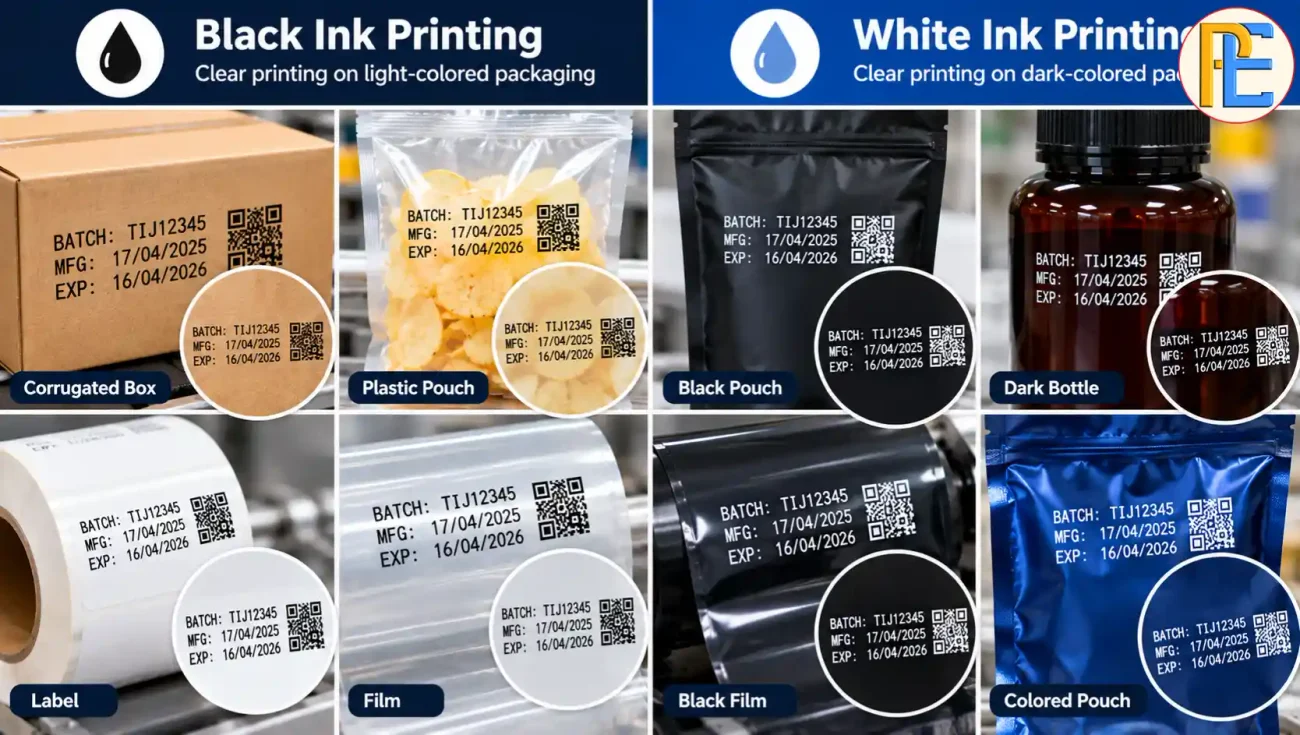
Black is the most commonly used color for coding because it provides strong contrast on light-colored packaging.
However, other colors may be useful for specific applications.
For example:
- Black: White or light-colored cartons and labels
- White: Dark packaging materials
- Colored ink: Specific identification or branding applications
The main objective is good contrast and readability.
7. Compare Cartridge Yield and Cost Per Print
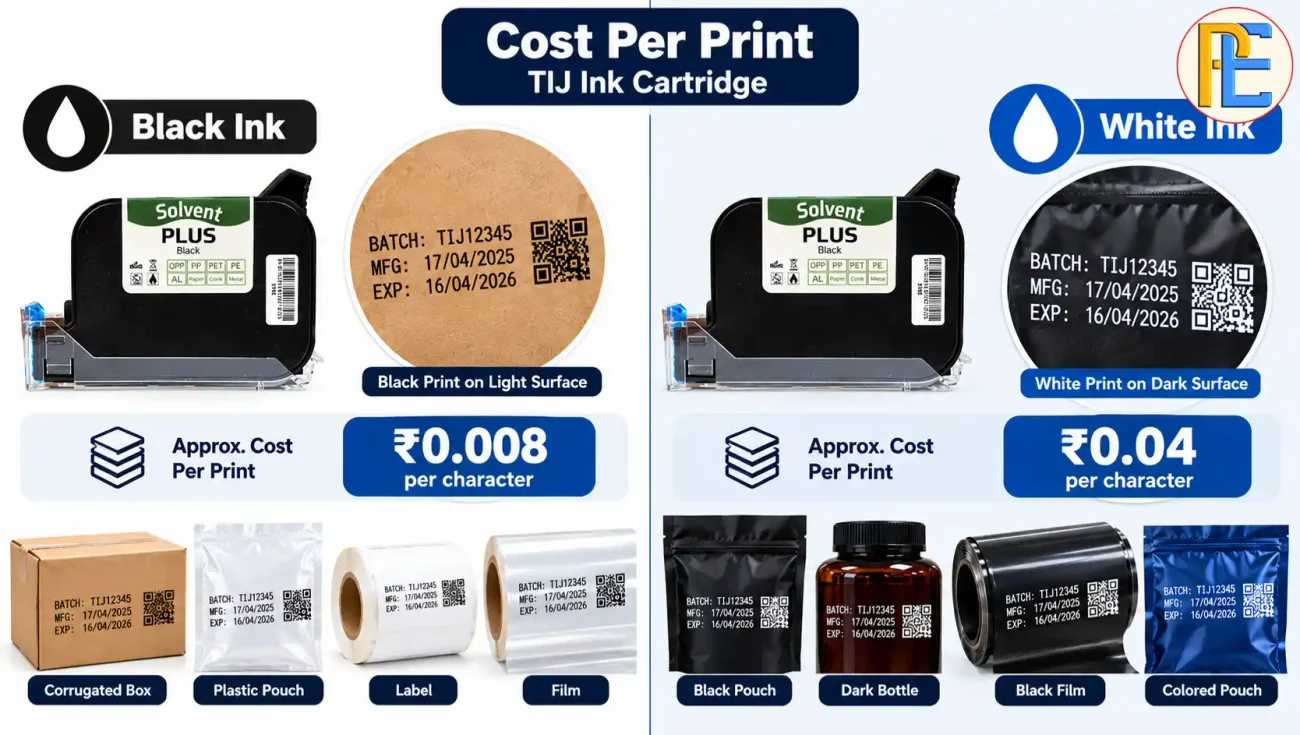
Don’t choose a cartridge based only on its purchase price.
A cheaper cartridge isn’t necessarily cheaper to operate if it produces fewer prints or gives inconsistent results.
Instead, calculate your approximate cost per print:
Cost per print = Cartridge price ÷ Number of usable prints
Your actual yield depends on:
- Print height
- Font size
- Number of characters
- Graphics
- Barcode/QR code size
- Resolution
- Printing frequency
For example, a cartridge costing ₹3,200 may provide better operating economics than a cheaper cartridge if it produces substantially more usable prints.
8. OEM vs Compatible TIJ Cartridges
You may find both original/OEM and compatible TIJ ink cartridges in the market.
OEM cartridges are designed for a particular printer system, while compatible cartridges can provide an alternative depending on the supplier and application.
When evaluating a compatible cartridge, consider:
- Print quality
- Ink consistency
- Drying performance
- Adhesion
- Shelf life
- Cartridge reliability
- Supplier support
Don’t make your decision based solely on the lowest cartridge price.
A cartridge that causes poor print quality or production interruptions can increase your actual operating cost.
9. Check Shelf Life and Storage
Ink cartridges should be stored according to the manufacturer’s recommendations.
Before purchasing, check:
- Manufacturing date
- Expiry/shelf-life information
- Storage conditions
- Cartridge sealing
- Recommended temperature range
Keep unused cartridges properly capped and protected from dust and unsuitable environmental conditions.
If cartridges are stored improperly for extended periods, their printing performance may be affected.
10. Test Before Buying in Bulk
The best way to select the right thermal inkjet printer cartridge is to test it on your actual application.
Before placing a large order, print on your actual production material and check:
- Print clarity
- Drying time
- Adhesion
- Barcode readability
- QR-code readability
- Print consistency
- Performance at production speed
- Ink consumption
A cartridge may perform differently on cardboard compared with plastic, film or coated packaging. Testing helps you confirm that the cartridge is suitable for your particular application.
Thermal Inkjet Cartridge Selection Checklist
Before purchasing a cartridge, check these points:
| Factor | What to Check |
| Printer | Brand and model |
| Cartridge | Compatible cartridge model |
| Ink Type | Water-based or solvent-based |
| Substrate | Paper, cardboard, plastic, film, etc. |
| Color | Black, white or other |
| Drying | Required drying time |
| Text, barcode, QR code or graphics | |
| Yield | Approximate number of prints |
| Cost | Cost per print |
| Shelf Life | Manufacturing/expiry information |
| Testing | Test on actual production material |
Also Read: https://packerials.com/7-signs-your-thermal-inkjet-printer-needs-servicing/
Conclusion
Choosing the right thermal inkjet printer cartridge requires more than checking whether the cartridge physically fits your printer. You should consider printer compatibility, ink type, substrate, drying time, print requirements, ink color, cartridge yield and cost per print.
The right TIJ ink cartridge can help you achieve clear and consistent coding while controlling your printing costs and reducing production problems.
If you are unsure which cartridge is suitable for your application, share your thermal inkjet printer model, cartridge model and printing material with Packerials. Our team can help you identify a suitable cartridge for your coding requirements.
Need the right TIJ ink cartridge for your printer? Contact Packerials today.
How do I choose the right thermal inkjet printer cartridge?
Choose a cartridge based on your printer model, ink type, printing substrate, required print quality, drying time, color, and cartridge yield. Always check compatibility with your TIJ printer before purchasing.
What type of ink is used in a thermal inkjet cartridge?
Thermal inkjet cartridges are available with different ink formulations, including water-based and solvent-based inks. Water-based inks are commonly used for porous materials such as paper and cardboard, while suitable solvent-based formulations can be used on non-porous materials.
Which TIJ ink cartridge is best for printing on cardboard?
Water-based TIJ ink cartridges are commonly suitable for porous materials such as corrugated cardboard, cartons, kraft paper, and paper labels. However, the exact cartridge should be selected according to your printer and application.
Can thermal inkjet cartridges print on plastic and film?
Yes. Suitable solvent-based TIJ cartridges can be used for printing on materials such as plastic, films, foils, glass, and certain coated surfaces. Always test the ink on your actual packaging material before bulk purchasing.
How long does a thermal inkjet cartridge take to dry?
Drying time varies depending on the ink formulation, substrate, temperature, humidity, and amount of ink deposited. Some solvent-based formulations can dry within a few seconds on suitable non-porous surfaces, but actual performance should be tested on your production material.
How can I calculate the cost per print of a TIJ cartridge?
You can estimate the cost per print using:
Cost Per Print = Cartridge Price ÷ Number of Usable Prints
Actual cartridge yield depends on factors such as print height, font size, resolution, graphics, barcodes, QR codes, and printing frequency.
Can one thermal inkjet cartridge print batch numbers, barcodes and QR codes?
Yes. Depending on the TIJ printer and cartridge capabilities, thermal inkjet systems can print batch numbers, manufacturing dates, expiry dates, MRP, product codes, barcodes, QR codes, logos, and other variable information.
Should I buy OEM or compatible TIJ ink cartridges?
Both options may be available depending on the printer system. When considering a compatible cartridge, compare print quality, adhesion, drying performance, reliability, shelf life, yield, and supplier support rather than focusing only on the purchase price.
How should thermal inkjet cartridges be stored?
Store cartridges according to the manufacturer’s recommended conditions. Keep them properly capped and protected from excessive temperature, unsuitable humidity, dust, and other environmental conditions. Check the cartridge’s shelf-life and expiry information before use.
Should I test a TIJ ink cartridge before buying in bulk?
Yes. Testing the cartridge on your actual printing material and production conditions is recommended. Check print clarity, drying time, adhesion, barcode and QR-code readability, consistency, and ink consumption before placing a large order.
Related Posts
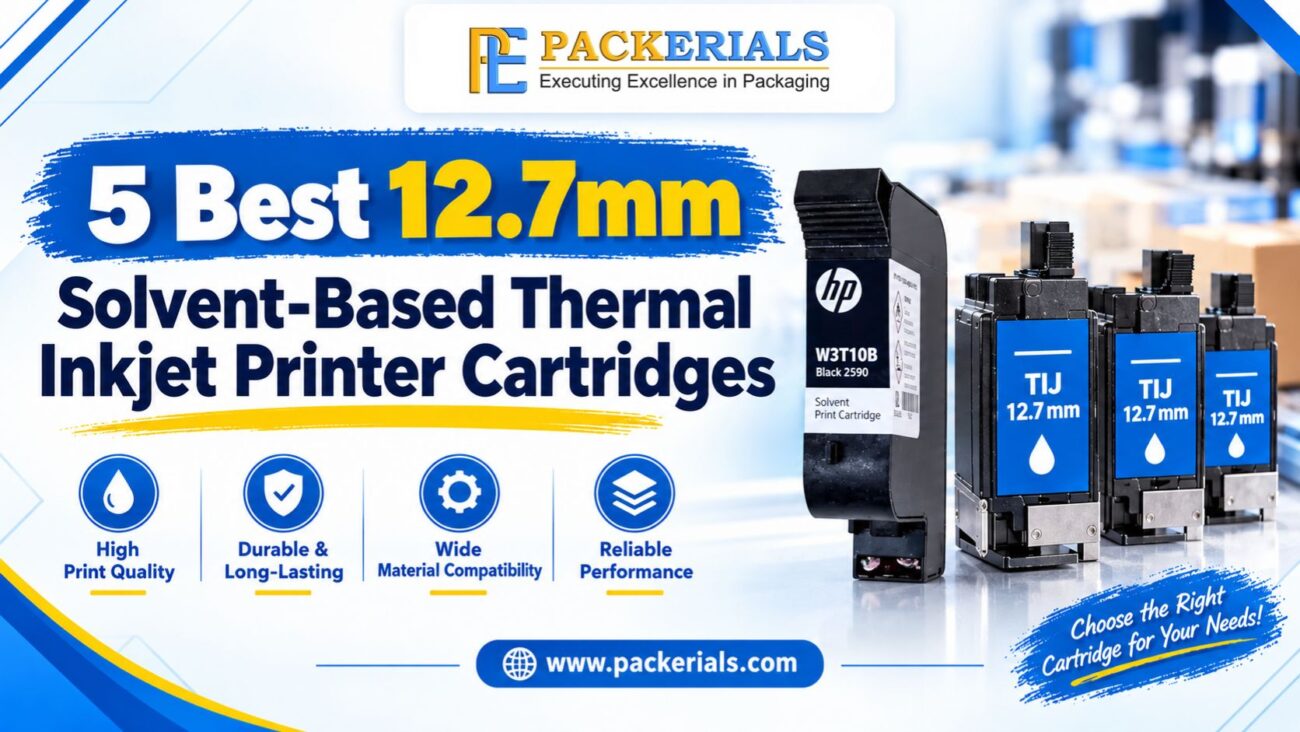
5 Best 12.7mm Solvent-Based Thermal Inkjet Printer Cartridges
-
Posted by
 Prakhar Mehra