
Blog
Common Band Sealing Machine Problems and How to Solve Them

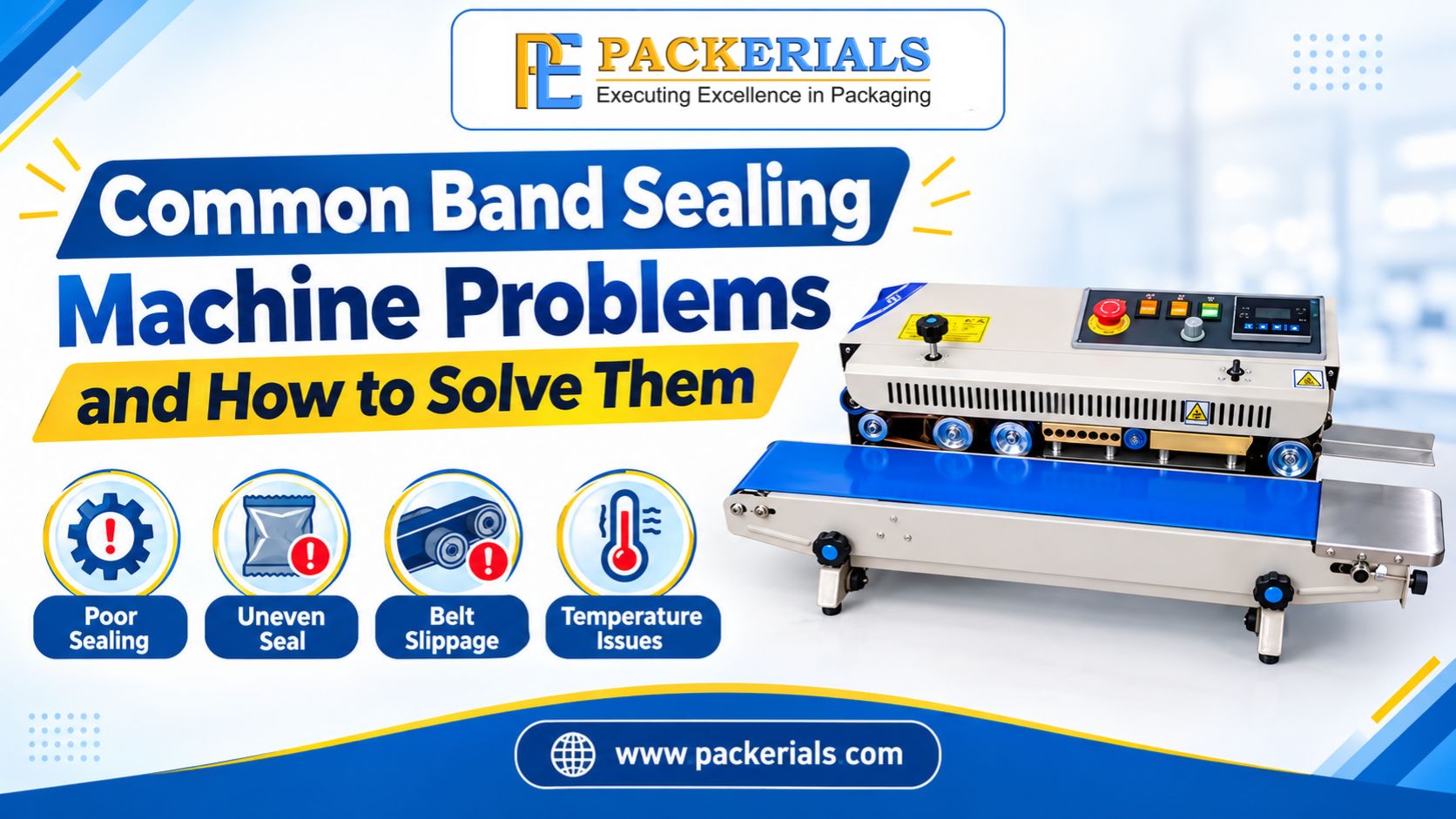
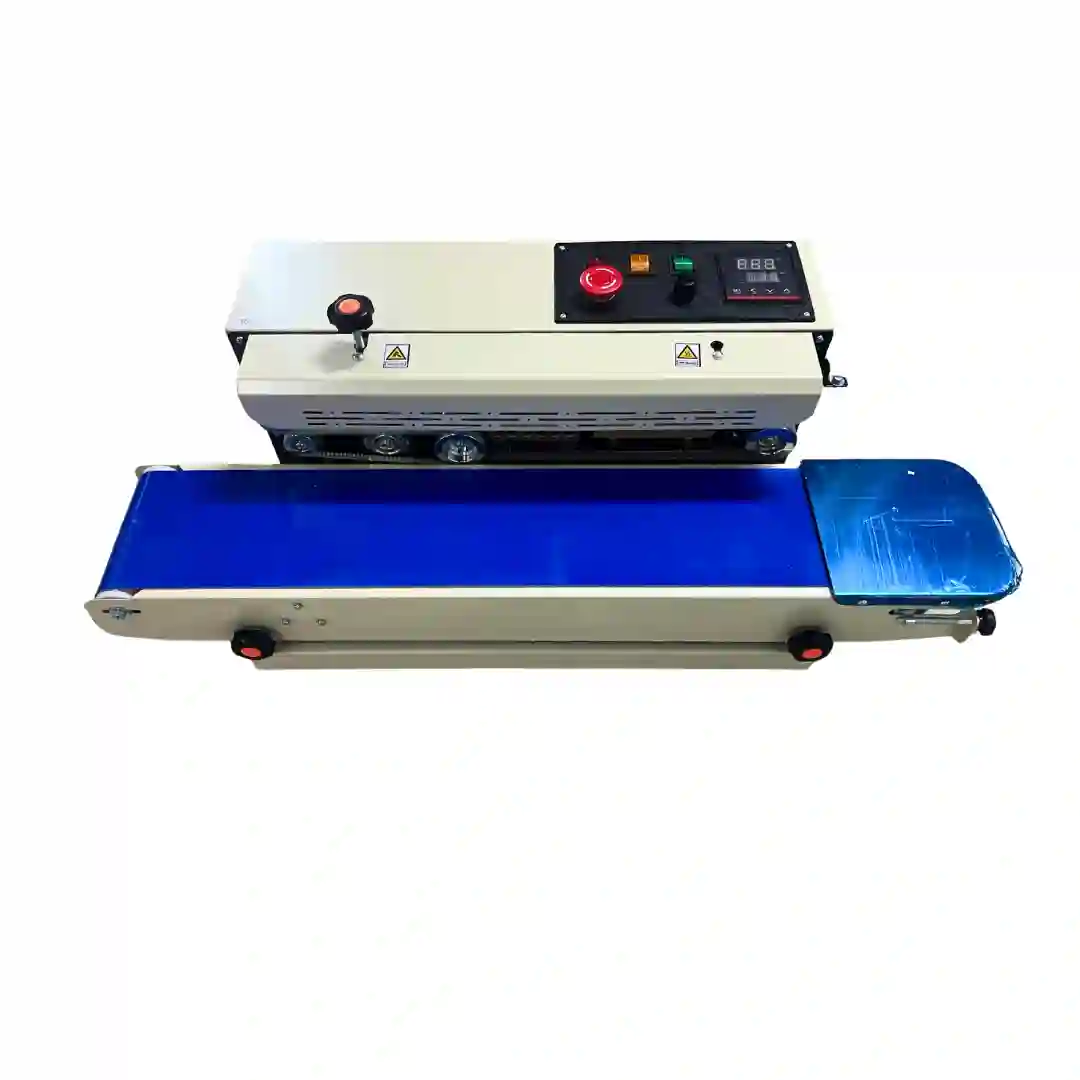
A band sealing machine is widely used by businesses that pack products in plastic pouches. Food manufacturers, fertilizer suppliers, spice manufacturers, and many other businesses use these machines to seal pouches quickly and maintain a consistent finish.
But like any packaging equipment, a band sealer can develop problems during daily operation. Sometimes the pouch opens easily after sealing. In other cases, the film gets burnt, wrinkles appear along the sealing line, or the conveyor stops moving properly.
These problems can slow down production and waste packaging material. The good news is that many of them can be traced to a few common causes, such as incorrect temperature settings, unsuitable packaging film, poor pouch handling, or a need for machine maintenance.
Let’s look at the most common band sealing machine problems and how to deal with them.
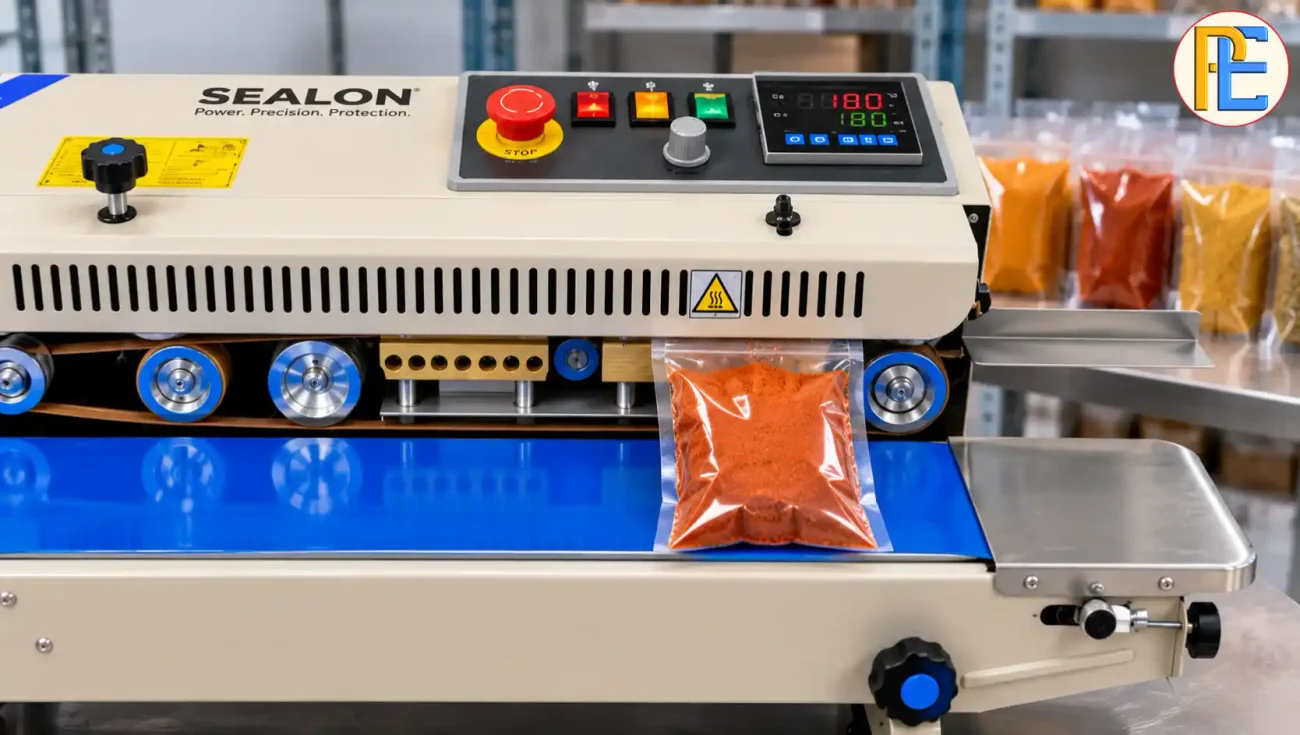
1. The Pouch Is Not Sealing Properly
One of the most frustrating problems is a pouch that looks sealed but opens easily when handled. This can happen even when the machine appears to be running normally.
The first thing to check is the packaging material. Different films and laminates require different sealing conditions. A temperature that works well for one pouch may not be suitable for another. Conveyor speed also matters. If the pouch passes through the heating section too quickly, the material may not receive enough heat to form a proper seal.
- Start by checking the recommended sealing temperature for your packaging material. If the temperature is too low, increase it gradually. If the machine is running too fast, reduce the conveyor speed slightly and test a few pouches.
- Check that the pouch opening is clean and free from powder, oil, moisture, or product particles. Even a small amount of contamination across the sealing area can weaken the seal.
- Make one adjustment at a time and check the results before returning to normal production.
Tip: A seal that looks closed is not necessarily strong enough for storage or transportation. Test the finished pouch using a method appropriate for the product and packaging requirements.
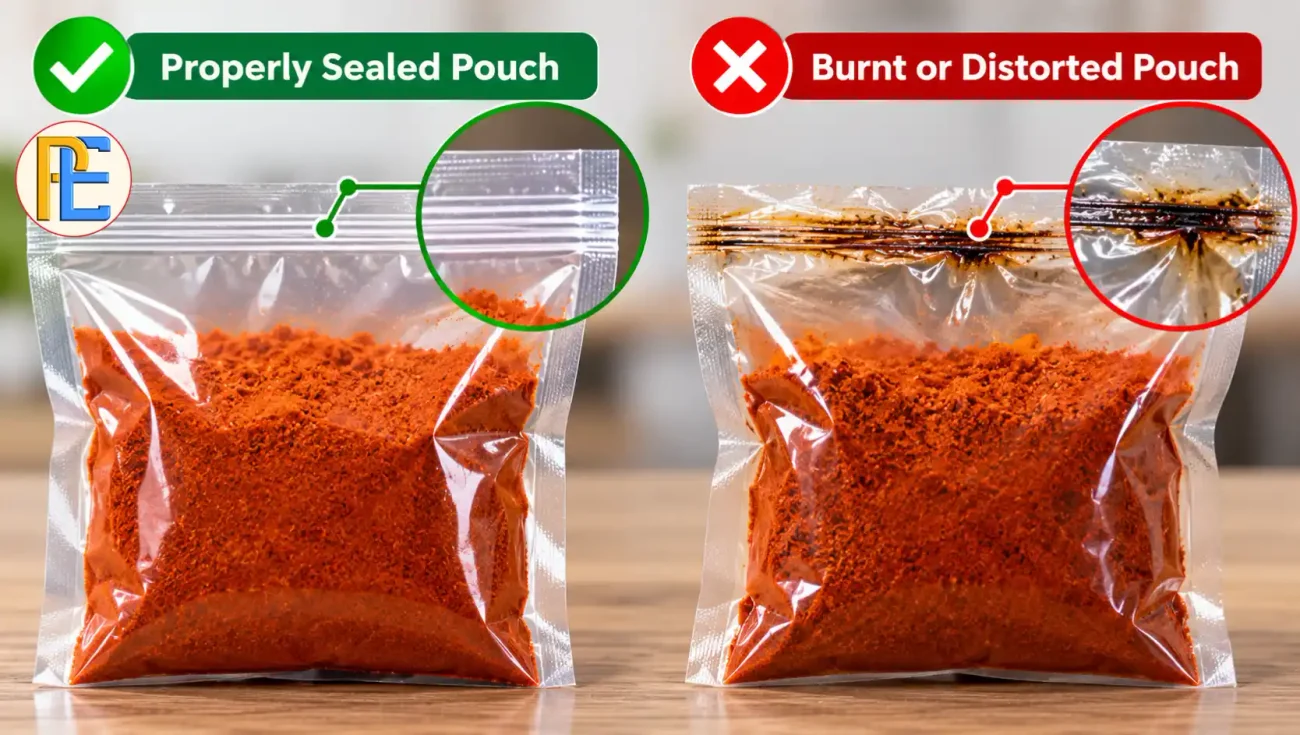
2. The Packaging Film Is Burning or Melting
If the pouch opening becomes excessively soft, distorted, or discoloured, the sealing temperature may be too high for the material. The conveyor may also be moving too slowly, exposing the pouch to heat for longer than necessary.
This problem is particularly noticeable when a business changes to a different film or uses a thinner packaging material.
- Check the packaging supplier’s recommended temperature range and reduce the heat gradually if needed. You can also test a slightly higher conveyor speed, provided the pouch still seals properly.
- Do not assume that every plastic pouch requires the same temperature. Film composition and thickness can affect the result.
- Once the settings are adjusted, test a small batch before continuing production. The aim is to achieve a complete seal without damaging or distorting the material.
3. Wrinkles Appear Along the Sealing Line
A neat sealing line gives a pouch a better finish. When wrinkles appear around the sealed area, the package can look untidy and may have inconsistent sealing quality.
The problem may start before the pouch reaches the heating section. If the pouch opening is folded, held at an angle, or fed unevenly, the sealing result can be affected. The packaging material and machine settings should also be checked if the problem continues.
- Before feeding the pouch into the machine, straighten its opening and remove any folds. Make sure the pouch is guided evenly along the conveyor.
- If wrinkles continue to appear, check whether the film is suitable for the machine and whether the operating temperature and speed are appropriate.
- When the same wrinkle appears in the same position on several pouches, inspect the pouch-guiding arrangement and ask a qualified technician to check the machine if necessary.
4. The Seal Is Uneven Across the Pouch
Sometimes one part of the pouch seals properly while another part remains weak or incompletely closed.
This can happen when the pouch is fed unevenly, the sealing area is contaminated, or a component requires inspection. Differences between packaging materials can also affect the consistency of the finished seal.
- Examine a few defective pouches and check whether the problem occurs in the same place every time.
- Keep the pouch opening flat and clean before sealing. Also check whether the problem started after changing the packaging film or adjusting the temperature or speed.
- If the seal remains uneven in the same position despite correct feeding and settings, stop and arrange a machine inspection. Internal alignment and pressure adjustments should be handled according to the manufacturer’s instructions by a suitably trained person.
5. The Conveyor Is Slipping or Not Moving Properly
The conveyor carries each pouch through the sealing section. If it slips, moves unevenly, or stops, the machine may not be able to maintain a consistent production flow.
A conveyor problem can result from wear, an obstruction, a damaged drive component, or a mechanical or electrical fault. Some band sealers use a rubber belt, while others use a chain-based arrangement.
- Switch off and safely isolate the machine before inspecting the conveyor. Look for visible damage, accumulated debris, or signs of unusual wear, following the machine’s maintenance instructions.
- Do not operate the machine if the conveyor is damaged or moving irregularly. If the problem continues after basic checks, have a qualified technician inspect the drive mechanism and related components.
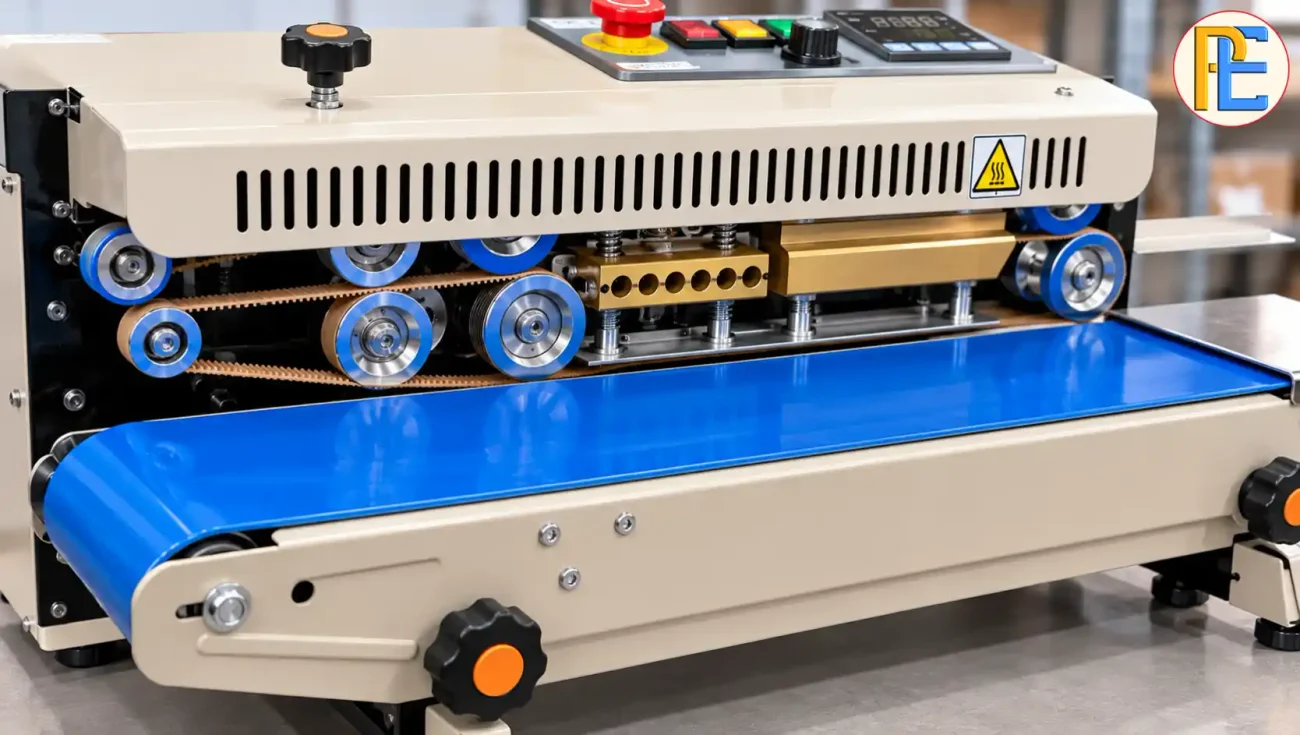
6. The Machine Is Not Heating Properly
A band sealer may run its conveyor while failing to heat the pouch sufficiently. In some cases, the temperature display may not reach the set value, or the machine may produce consistently weak seals.
Possible causes include incorrect settings, a heating-element fault, a faulty temperature sensor, or an electrical problem.
- Check that the machine has been switched to the correct operating setting and allow it to reach the required temperature according to the manual.
- If the temperature does not rise as expected or the heating system appears to have stopped working, stop production and contact a qualified technician.
- Do not open electrical panels or attempt to repair internal wiring while the machine is connected to the power supply. Heating elements and other components should be inspected only by trained personnel using the correct safety procedures.
7. Powder or Product Gets Trapped in the Seal
Businesses packing flour, spices, fertilizer, seeds, and other granular or powdered products may find product particles collecting near the pouch opening and becoming trapped in the seal.
Even when the temperature is correct, contamination can prevent the packaging layers from sealing properly.
- Check whether the pouch is being overfilled or whether product is spilling onto the opening during filling and handling.
- Leave adequate space between the product and the top of the pouch. Keep the opening clean and dry before passing it through the band sealer.
- If fine powder regularly reaches the sealing area, review the filling process and the way filled pouches are transferred to the machine. Correcting the source of contamination is often more effective than repeatedly changing the sealing temperature.
8. Sealing Quality Changes During Production
A machine may produce good seals at the start of a shift but deliver inconsistent results later.
Before assuming that the machine has developed a fault, consider whether the packaging film has changed, the operator has adjusted the settings, or dust and product residue have accumulated around accessible parts.
- Compare the current temperature and conveyor speed with the settings used when the machine was producing good results.
- Check whether a new roll or batch of packaging material has been introduced. Differences in film composition or thickness may require different operating settings.
- Record the material type, machine settings, and results of successful sealing tests. This gives operators a useful reference when the same pouch is packed again.
How to Prevent Common Band Sealing Problems
Regular checks can help identify small issues before they cause significant production delays.
- Use compatible packaging material: Confirm that the film or laminate is suitable for heat sealing.
- Set the temperature and speed correctly: Test the actual packaging material rather than relying on one setting for every pouch.
- Keep pouch openings clean: Prevent product particles, oil, or moisture from entering the sealing area.
- Train operators: Ensure that pouches are fed straight and consistently.
- Clean the machine correctly: Follow the manufacturer’s cleaning instructions and isolate the machine before maintenance.
- Inspect the conveyor regularly: Look for visible wear, damage, or irregular movement.
- Arrange preventive maintenance: Follow the recommended inspection and replacement schedule for machine components.
These steps will not prevent every possible fault, but they can help reduce avoidable packaging defects and downtime.
When Should You Call a Technician?
Simple issues such as an unsuitable temperature setting, a folded pouch opening, or product contamination can often be corrected through normal operating adjustments.
However, recurring heating failures, electrical faults, persistent conveyor problems, damaged components, and repeated sealing defects may require professional attention.
Avoid making internal adjustments without the necessary training. A qualified technician can inspect the machine and determine whether the cause is a worn component, an alignment issue, or a fault in the heating or drive system.
If a machine repeatedly fails to produce acceptable seals even after the material and operating settings have been checked, it is worth arranging a proper inspection before production losses increase.
Read this blog to learn more about Best Band Sealing Machine for Pasta and Macaroni Packaging.
Conclusion
Most common band sealing machine problems have identifiable causes. Weak seals, burnt film, wrinkles, uneven sealing, conveyor faults, and heating issues can often be traced to packaging material, machine settings, pouch handling, or component condition.
The best approach is to check the problem systematically rather than changing several settings at once. Start with the pouch material and feeding method, check temperature and speed, and seek technical assistance when the issue involves internal mechanical or electrical components.
Choosing a suitable band sealing machine for your pouch material, package weight, and production requirements also plays an important role in maintaining consistent results.
If you are selecting a new machine or experiencing recurring sealing problems, contact Packerials to discuss your packaging requirements and the available band sealing machine options.
What are the most common band sealing machine problems?
Common band sealing machine problems include weak seals, burnt or melted pouches, wrinkles along the sealing line, uneven sealing, conveyor belt issues, heating failures, and product particles trapped in the seal. Most can be investigated by checking packaging material, machine settings, pouch handling, and maintenance.
Why is my band sealing machine not sealing properly?
A band sealing machine may produce weak seals because of incorrect temperature settings, excessive conveyor speed, unsuitable packaging film, or contamination around the pouch opening. Check the recommended settings for your packaging material and adjust one parameter at a time.
How do I fix burnt pouches in a band sealing machine?
Burnt pouches may indicate excessive sealing temperature or a conveyor speed that is too slow. Reduce the temperature gradually or test a slightly faster conveyor speed. Always follow the packaging film manufacturer’s recommendations and test a few pouches before resuming full production.
What is the correct temperature for a band sealing machine?
The correct temperature depends on the packaging material, film thickness, laminate structure, and machine design. There is no single temperature suitable for every pouch. Start with the film supplier’s recommendations and conduct sealing tests to find the appropriate temperature and conveyor speed.
Why does a band sealing machine produce uneven seals?
Uneven seals can result from misaligned or folded pouch openings, product contamination, unsuitable film, or a machine component that requires inspection. Ensure the pouch opening is flat and clean. If the defect repeatedly occurs in the same position, arrange a machine inspection.
How can I prevent wrinkles during pouch sealing?
To prevent wrinkles, feed pouches straight into the machine and ensure their openings are flat before sealing. Check the packaging film’s compatibility and confirm that the temperature and conveyor speed are appropriate. Consistent pouch handling helps improve sealing quality.
Why is the conveyor belt of my band sealing machine slipping?
Conveyor slipping can be caused by wear, debris, damaged drive components, or a mechanical fault. Switch off and isolate the machine before performing any permitted visual checks. If the conveyor continues slipping or moving irregularly, contact a qualified technician.
How often should a band sealing machine be maintained?
Maintenance frequency depends on the machine model, operating hours, packaging material, and production environment. Follow the manufacturer’s maintenance schedule, clean the machine as instructed, inspect accessible components regularly, and arrange periodic professional servicing when required.
Can a band sealing machine seal different types of plastic pouches?
Many band sealing machines can seal different compatible thermoplastic films and laminated pouches. However, suitability depends on the machine’s specifications and the material’s heat-sealing properties. Confirm material compatibility and test the required pouch sizes and thicknesses before production.
How do I choose the right band sealing machine for my business?
Choose a band sealing machine based on your packaging material, pouch dimensions, product weight, required sealing quality, production speed, and operating environment. Compare machine specifications and maintenance requirements before purchasing. Contact Packerials to discuss your packaging needs and identify a suitable machine.